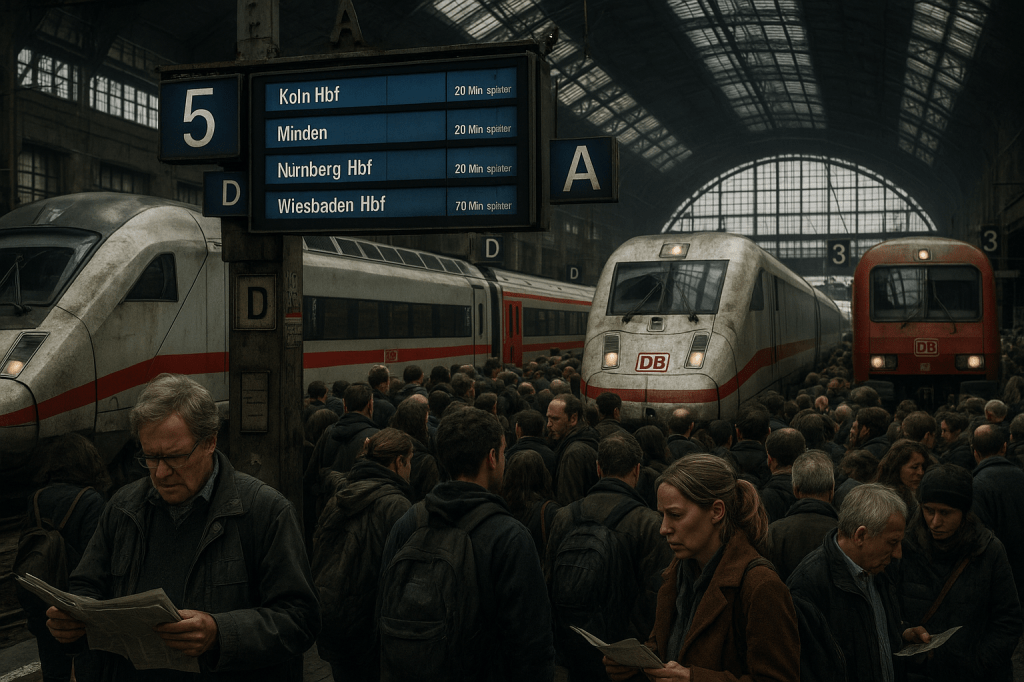
When people think of Germany, they often imagine precision, efficiency, and punctuality. After all, this is the country known for its engineering excellence, orderliness, and structure. So it’s quite a surprise—sometimes even a shock—to find out that Deutsche Bahn, Germany’s national railway company, is notoriously unpunctual.
For locals, it’s a running joke. For tourists and commuters, it’s a recurring headache. The image of trains arriving like clockwork might still be printed in brochures, but the reality is very different. Trains are late. Frequently. Sometimes canceled altogether. And despite regular complaints and billions in investment, the problem persists.
For years now, passengers across Germany have dealt with delays, missed connections, confusing updates, and overcrowded trains. According to Deutsche Bahn’s own statistics, only around 60–70% of long-distance trains arrive on time in recent years, and that’s using a lenient definition of “on time” (within 6 minutes of schedule). Regional trains often fare a bit better, but delays are still common, especially during peak travel hours or in bad weather. So what exactly is going wrong?
To begin with, Germany’s rail infrastructure is aging and overstretched. Much of the network was built decades ago and simply hasn’t kept up with rising demand. While Deutsche Bahn has expanded services and introduced more high-speed trains like the ICE (InterCity Express), the underlying tracks, signal systems, and stations often lag behind. Repairs and modernization are constantly needed—but those works cause even more delays. Tracks are closed, trains are rerouted, and journeys take longer. So even when improvements are being made, passengers feel the pain first.
Another major issue is capacity. The German rail system is incredibly busy—not just with passenger trains, but also with freight. Both use the same tracks, unlike in some other countries where freight and passenger lines are separated. This means that delays can spread quickly. If one train is behind schedule, it can throw off a whole chain of others, especially on popular routes like Berlin–Munich or Frankfurt–Hamburg. With limited room for flexibility, the system starts to clog like a traffic jam on rails.
Staffing is also a concern. Deutsche Bahn, like many other companies, has faced labor shortages, especially among train drivers and technical staff. When someone calls in sick or a shift can’t be covered, trains may be delayed or canceled altogether. Strikes and collective bargaining disputes add another layer of unpredictability. German train unions are powerful, and while strikes are not constant, they do happen—and when they do, they cause nationwide disruption.
Then there’s the weather. It might seem strange to blame the elements in a country known for handling snow and rain reasonably well, but storms, heavy rainfall, or extreme heat (which is becoming more frequent due to climate change) can affect the tracks, cause fallen trees, or force slower travel speeds. Even in less extreme conditions, wet leaves on tracks in autumn or snow build-up in winter can trigger delays, particularly in rural areas.
Technology, while improving, hasn’t fully solved the problem either. Real-time train tracking and updated apps have helped passengers stay informed, but Deutsche Bahn still struggles with communication during disruptions. Train platforms often flash vague or conflicting messages. The app might say a train is “on time” right until the moment it’s supposed to arrive, only to then update with a sudden 40-minute delay. Passengers get stranded, unsure whether to wait or rebook, while announcements over the loudspeakers are often too fast, too soft, or too technical to be helpful—especially for non-native speakers.
It’s not all doom and gloom, though. The German government has acknowledged the crisis and is trying to fix it. Billions of euros are being poured into the railway system as part of Germany’s broader effort to become more climate-friendly. Trains are seen as key to reducing car and air travel, but for that to happen, they need to be reliable.
Plans are underway to digitalize signal boxes, automate more of the scheduling system, build new high-speed corridors, and separate freight from passenger lines in some areas. But these upgrades take time—years, sometimes decades—to implement fully. And in the meantime, passengers are still left standing on cold platforms, checking their apps every few minutes.
Part of the problem also lies in Deutsche Bahn’s structure. While it’s state-owned, it operates like a private company—balancing public service expectations with profit goals. Critics argue that this has led to underinvestment in maintenance in favor of flashy new projects. Others say there’s simply too much pressure to do too much with too little: serve everyone, everywhere, all the time, with infrastructure that can’t keep up.
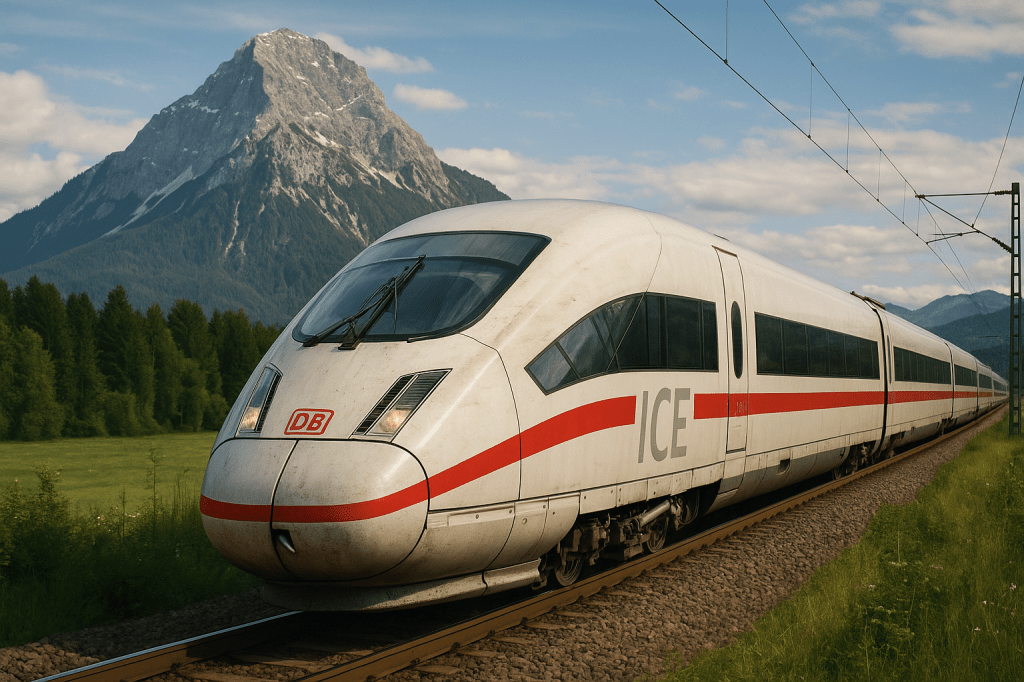
It’s also important to mention that German trains aren’t always late. When things go right, an ICE train speeding through the countryside at 300 km/h is an amazing experience—smooth, fast, and much more eco-friendly than flying. Many passengers still prefer rail over domestic flights for convenience. But the unreliability eats away at public trust. People plan longer connections, leave buffer times between meetings, or simply drive instead. That’s a shame in a country that wants to lead in green transportation.
Interestingly, many Germans are still proud of their rail network despite its issues. There’s a deep cultural connection to trains in Germany—from model train hobbies to nostalgic love for old locomotives. Trains are part of the national identity, even if the experience today doesn’t quite match the ideal.
So what can be done in the meantime? For travelers, patience and flexibility are key. It’s wise to check train statuses in advance, allow time between connections, and keep snacks and phone chargers handy. Booking through the official Deutsche Bahn app helps with rebooking during delays, and seat reservations (especially in long-distance trains) can make a big difference when trains are overcrowded.
And maybe, just maybe, there’s a lesson hidden in all the chaos. Germans are famously punctual people, yet they endure these delays with a mix of frustration, humor, and resignation. It shows that even in the most orderly societies, not everything runs like clockwork—and sometimes, that’s just part of the journey.
In the end, the woes of Deutsche Bahn are more than just a transportation issue. They reflect the tension between ambition and reality, between the past and the future. The trains may be late, but the desire to do better is right on schedule.



It’s exhausting to search out knowledgeable people on this topic, however you sound like you recognize what you’re speaking about! Thanks
LikeLike