
Accounts receivable management is a key part of keeping a business financially healthy. One important metric that helps measure efficiency in collecting receivables is BDSO, or Best Possible Days Sales Outstanding.
What is BDSO?
BDSO stands for Best Possible Days Sales Outstanding. It measures how quickly a company can collect receivables in an ideal situation where every customer pays on time. Unlike the traditional DSO (Days Sales Outstanding), which shows the average number of days it takes to collect payments, BDSO shows the best-case scenario. This makes it a benchmark for evaluating how far real collection performance is from the most efficient outcome.
In simple terms:
- DSO = actual performance.
- BDSO = best possible performance if all customers paid as agreed.
Why BDSO Matters
BDSO gives finance teams a clearer picture of collection potential. It helps identify inefficiencies in receivables management and sets a realistic target for improvement.
Key Benefits of Tracking BDSO
- Benchmarking: Compares actual DSO against the best possible scenario.
- Cash Flow Planning: Helps forecast cash inflows more accurately.
- Credit Control: Highlights gaps between expected and actual collections.
- Decision Making: Guides policy updates for credit terms and collection processes.
How to Calculate BDSO
The formula for BDSO focuses on accounts receivable that are not overdue.
BDSO Formula: BDSO = (Current Receivables Not Past Due / Total Credit Sales) × Number of Days
Step-by-Step Example
- Identify current receivables that are not past due.
Suppose this amount is $120,000. - Find total credit sales for the period.
Let’s assume total credit sales are $600,000. - Select the time period in days.
For a quarter, that would be 90 days. - Apply the formula.
BDSO = (120,000 ÷ 600,000) × 90 BDSO = 0.20 × 90 BDSO = 18 days
This means that if all customers paid on time, receivables would be collected in 18 days.
BDSO vs DSO
To get the full picture, BDSO should be compared with DSO:
- If DSO ≈ BDSO: Collections are efficient.
- If DSO > BDSO: There are delays in payments or issues in collection.
For example, if DSO is 40 days while BDSO is 18 days, this shows that customers are taking much longer than the agreed terms to settle invoices.
What BDSO Means for Accounts Receivable
BDSO helps finance teams and managers understand how much faster receivables could be collected if processes were optimized. This insight is crucial for:
- Cash Flow: The closer DSO is to BDSO, the stronger the company’s liquidity.
- Working Capital: Faster collections reduce the need for external financing.
- Customer Management: A large gap between DSO and BDSO may point to customers who often delay payments.
In short, BDSO is not just a number. It’s a guide to how receivables management directly impacts business stability and growth.
How to Improve BDSO Performance
Improving BDSO means working toward narrowing the gap between actual DSO and best possible DSO. Here are practical strategies:
1. Strengthen Credit Policies
- Screen customers before offering credit.
- Set realistic but firm payment terms.
- Adjust terms for customers with a history of late payments.
2. Automate Invoicing
- Send invoices promptly and accurately.
- Use accounting software to track receivables in real time.
- Provide online payment options for faster transactions.
3. Monitor Receivables Regularly
- Review aging reports to identify overdue accounts quickly.
- Contact customers before due dates to remind them of payments.
- Escalate collection steps as soon as delays appear.
4. Improve Customer Communication
- Build strong relationships with customers to encourage timely payments.
- Resolve disputes quickly to prevent payment delays.
- Offer multiple payment methods for customer convenience.
5. Incentivize Early Payments
- Provide small discounts for early payments.
- Clearly communicate these benefits to customers.
Common Mistakes to Avoid
- Overlooking small overdue balances: They can add up and distort DSO.
- Not updating credit terms: Outdated terms can hurt cash flow.
- Ignoring customer disputes: Unresolved issues often delay payments.
- Failing to review reports regularly: Without frequent monitoring, inefficiencies go unnoticed.
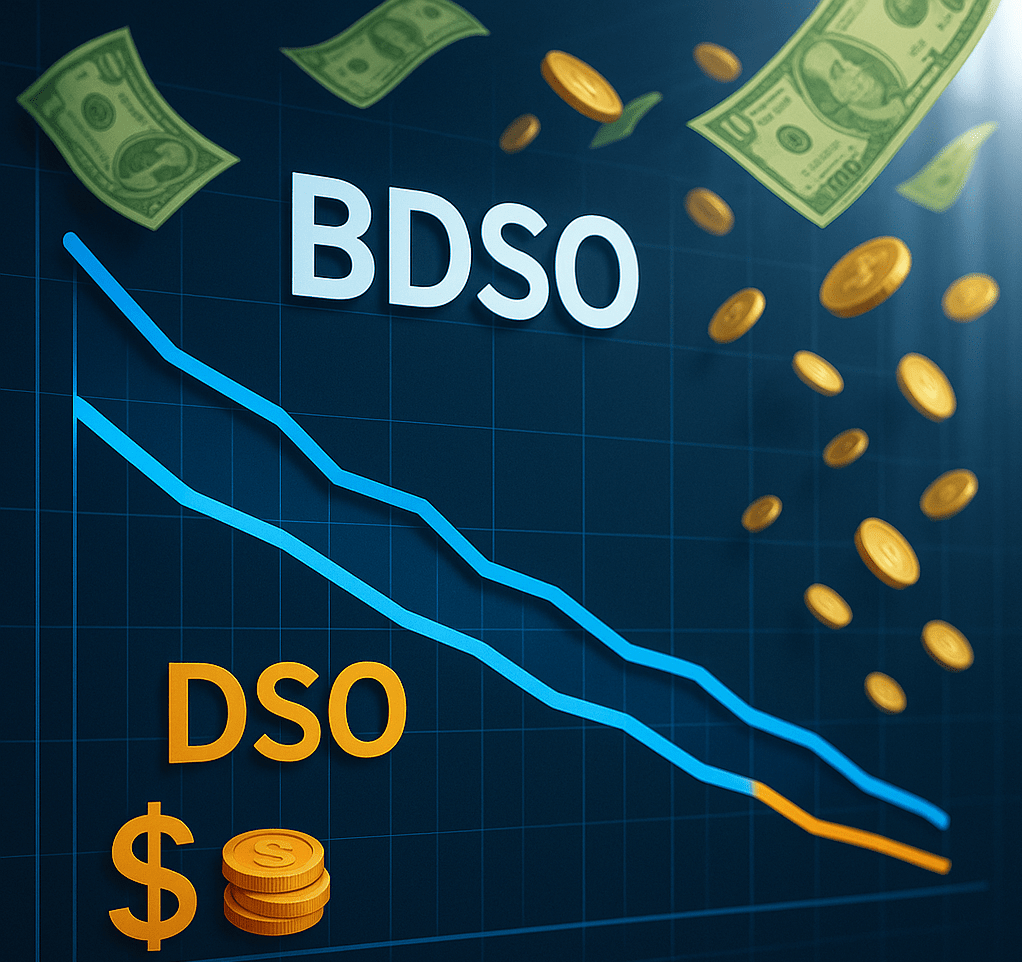
BDSO is a powerful tool for businesses that want to keep their accounts receivable under control. It shows what is possible under ideal payment conditions and serves as a benchmark for actual performance. By calculating BDSO, comparing it with DSO, and working on strategies to close the gap, companies can improve cash flow, reduce risk, and maintain stronger financial health.
The goal is not only to calculate the number but also to act on it. With disciplined credit policies, modern tools, and proactive communication, businesses can bring their receivables closer to the best possible outcome.



As soon as I detected this web site I went on reddit to share some of the love with them.
LikeLike