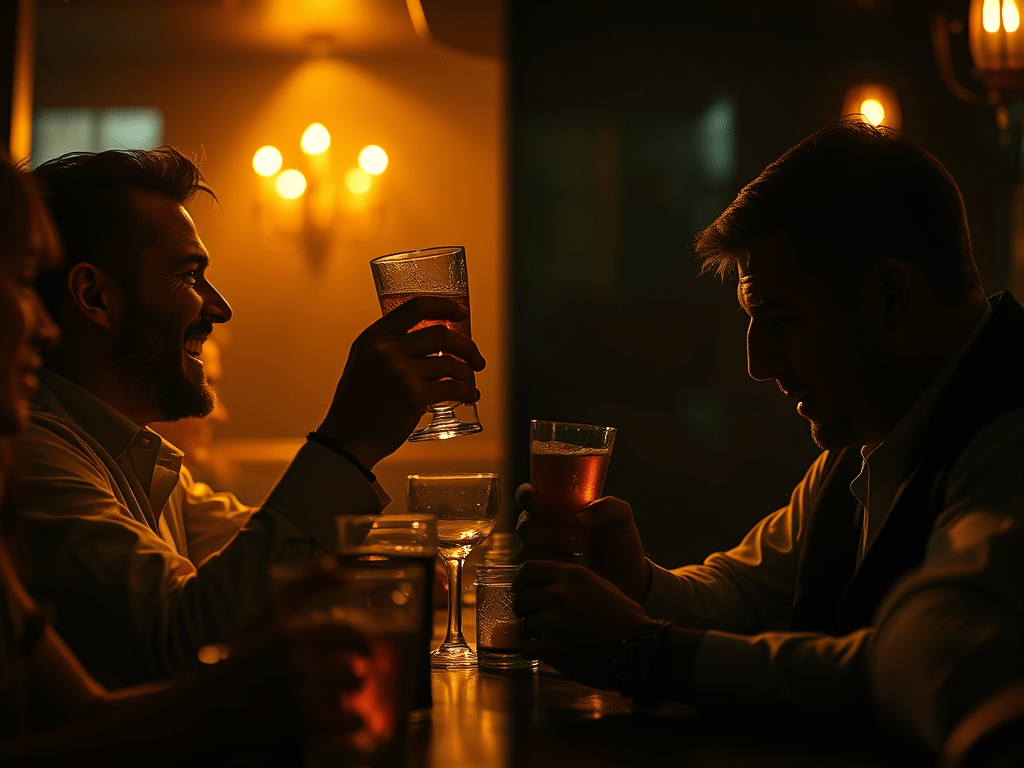
There are many sayings about alcohol. Some people believe it is a truth serum. Others see it as a poison that destroys relationships and lives. The line from the Korean drama Level Up offers a striking perspective: alcohol does not make you a bad person, it reveals the bad person in you. At first glance, this can sound harsh. But when you think about it, there is something deeply honest about that statement.
When people drink, they often lower their guard. The politeness and restraint they hold during the day can fade as the influence of alcohol relaxes them. In that state, what slips out is often what was always there. Someone who is kind at heart might become more affectionate and warm. Someone who harbors resentment, bitterness, or cruelty might let it show without even realizing it. Alcohol does not create those traits; it simply removes the mask people wear in their sober lives.
It is easy to blame alcohol for bad behavior. After a night of drinking, some say things they regret or do things they would not normally do. The next morning, they apologize and point to the drinks as the cause. Yet the truth is that alcohol does not put words in anyone’s mouth or force their hands to act. What it does is silence the filters that usually stop a person from showing what they really think or feel. If anger, arrogance, or selfishness emerge, those qualities were already present, waiting beneath the surface.
This is why alcohol can be both revealing and dangerous. For relationships, it is a test. Couples often see each other differently when alcohol is involved. A loving partner may turn even more caring and open when they drink, which can strengthen trust. But if someone becomes controlling, cruel, or violent after a few glasses, then the alcohol is not the real problem. It is a window into the truth of who they are when pretenses fall away.
Society often struggles with this distinction. We are quick to forgive bad behavior by attributing it to alcohol rather than to the person. It feels easier to believe that the substance is to blame than to accept that someone we know or love may have darker sides. Yet this habit of shifting responsibility prevents people from confronting reality. If someone constantly uses drinking as an excuse, they are essentially saying, “That was not me.” But if alcohol only reveals what is within, then it actually was them all along.
At the same time, it would be unfair to say alcohol never changes anything. Excessive drinking does impair judgment, slow reaction time, and blur decision making. A sober mind might weigh consequences before acting, while an intoxicated one might not. But even in those moments, the choices are guided by impulses that belong to the person. Alcohol weakens control, but it cannot invent qualities that are not there. A gentle person is unlikely to suddenly turn into someone hateful. A respectful person will not become cruel out of thin air. What comes out in drunkenness was already rooted in the person’s character.
This is why the line from Level Up resonates so strongly. It is not really about alcohol itself. It is about accountability. We cannot dismiss our actions by saying the bottle made us do it. If we hurt someone while drinking, it is because something in us chose those words or actions when the barriers fell. That is not a comfortable thought, but it is a necessary one. It pushes us to examine what lies beneath our surface and to ask whether we are at peace with who we truly are.
Perhaps this is the gift hidden inside the problem. Alcohol exposes sides of people that might otherwise remain hidden for years. It shows us who we are when politeness and restraint are stripped away. That can be ugly, but it can also be a chance for growth. If you do not like the person you become when you drink, then the answer is not only to avoid alcohol but also to work on yourself. What are you holding inside that comes out so forcefully when your guard is down? Anger? Resentment? Fear? Facing those truths can lead to transformation.
On the other hand, if you discover that you remain kind, humorous, or affectionate when drinking, that might reassure you about the goodness rooted within. It does not mean drinking is necessary to bring it out, but it shows that kindness is genuine and not just a mask worn for social acceptance. Alcohol, in this sense, becomes a mirror. The reflection may not always be flattering, but it is real.
In everyday life, we all wear masks. We behave differently at work, with friends, or around family. These masks are not necessarily fake; they are a way of navigating society. But when alcohol enters, those masks slip away. What is left is a rawer version of ourselves. That is why some people fear what they might say or do when drinking too much. They already know, deep down, that what hides within them is not always pleasant.
The line from Level Up reminds us that the true responsibility lies with us, not with alcohol. We cannot put all the blame on a glass of wine or a bottle of soju. Instead, we should ask: who am I when all the filters fall? If the answer disturbs us, then the work we need to do is not in avoiding drinks but in reshaping the person inside. Because at the end of the day, alcohol does not create who we are. It only reveals it.