In the Philippines, many people live in rural areas called barangays—small communities where neighbors aren’t just neighbors. They’re family, friends, and sometimes… your toughest critics. If you grew up in one, you know exactly what that means.
These barangays, whether they’re nestled in the mountains, spread across fields of rice, or lined up along coastal shores, are filled with stories. Stories of togetherness, laughter, struggles, and sometimes whispers behind your back.
Let’s take a deep dive into what it really feels like to live in a place where everybody knows everybody. The ups, the downs, and everything in between.
The Comfort of Familiar Faces
One of the most heartwarming things about rural living is that you never feel alone.
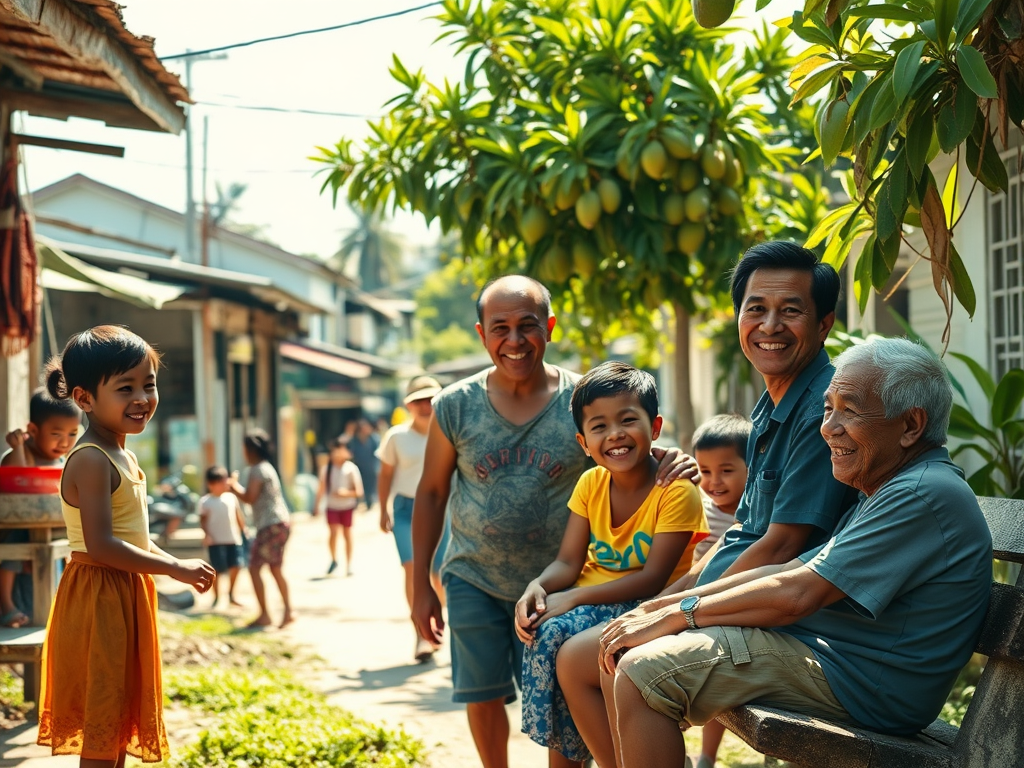
You can walk outside your house and greet at least five people on the way to the sari-sari store. The old man sitting on a bench will wave. Kids will shout your name as they play on the street. Someone might even offer you some freshly picked mangoes from their backyard tree.
This kind of connection is rare in big cities. In the barangay, it’s everyday life.
Your neighbor could be your cousin. The teacher at school might be your kababata (childhood friend). Everyone has a shared past, and it creates a sense of belonging that feels warm and safe.
Helping Hands Are Always Nearby
In times of need, rural communities shine the brightest.
If someone is sick, neighbors will visit. They’ll bring food, help with chores, or even assist in raising funds for hospital bills. During bayanihan (a Filipino tradition of community unity), people literally come together to lift a house and move it—or nowadays, help build one for a family in need.
When there’s a wedding, a wake, or a fiesta, everyone contributes. They cook together, decorate the place, and stay up late chatting and laughing.
It’s a beautiful cycle of giving and receiving. You don’t have to ask for help; it just comes. Because in the barangay, your life is everyone’s business—and sometimes, that’s a good thing.
When Progress Sparks Jealousy
But of course, not everything is rosy.
Because everyone knows your business, it’s impossible to hide your success—or your failure. If your child graduates from college, gets a good job, or you finally build a new concrete house, some people will genuinely be happy for you.
But others? Not so much.
It’s a painful truth that jealousy exists, even in small, tight-knit communities. When someone starts to improve their life—especially if it’s noticeable—some neighbors begin to whisper. Some will say, “Aba, yumaman na!” (Oh, they got rich!) with sarcasm instead of pride.
There’s this unspoken expectation in rural areas that people should stay the same. Those who rise above are sometimes seen as arrogant, even if they remain humble. That’s the sad part. Success isn’t always celebrated. Sometimes, it’s envied.
The Gossip Never Sleeps
If you’ve ever lived in the province, you know that gossip is as common as rice.
People talk. A lot. And news travels fast. Someone goes out with a new partner? Everyone knows before lunchtime. Someone receives a package from abroad? Neighbors will peek over fences to see what’s inside. If you suddenly have a visitor from out of town, expect to hear different versions of the story by the end of the day.
It’s not always malicious. Sometimes it’s just curiosity. People in rural areas don’t have malls, cinemas, or Starbucks to pass the time. So, they talk. And often, they talk about each other.
But gossip can hurt. When it becomes cruel or filled with lies, it can break friendships, damage reputations, and even push people away from their own community.
Unity in Times of Crisis
Despite all the drama, rural communities come together when it truly matters.
During typhoons, fires, or other disasters, neighbors help without hesitation. They rescue each other, offer shelter, and share whatever food is left. When a tragedy happens to one family, it feels like it happened to all.
This unity is deeply rooted in Filipino culture. Pakikisama, or the value of getting along, is very strong in rural areas. So is utang na loob—a deep sense of gratitude and debt when someone helps you.
Even if people fight or gossip, they often put differences aside when a bigger issue arises. That’s the silver lining. When it really counts, people show up for each other.
The Struggle of Privacy
The hardest part for many people is the lack of privacy.
Your life feels like an open book. If you fight with your spouse, the neighbors know. If you get a delivery, they ask who sent it. If your child comes home late, there’s always someone watching from the window.
This can feel suffocating, especially for those who are more private by nature. Some people end up moving away—not because they don’t love their community, but because they just want to breathe.
In rural areas, even silence speaks. And sometimes, that’s just too much.
The Joy of Growing Old in the Barangay
Still, many Filipinos dream of returning to their rural hometowns after years of working in cities or abroad. Why?
Because the peace of provincial life, despite its flaws, has a charm that’s hard to resist.
You wake up to roosters crowing. You drink coffee while looking at green rice fields. You chat with your neighbors on a lazy afternoon, watching children chase each other barefoot.
There’s a rhythm to life in the barangay that’s slower—but also sweeter. The connections may be complicated, but they’re real. You laugh, cry, argue, and celebrate with the same faces year after year.
Finding Balance: A Modern Barangay Dream
As the world becomes more modern, so do rural communities. Many now have internet access. Some start small businesses online or study virtually. Young people bring in new ideas. A few even challenge the gossip culture by speaking up and promoting kindness.
The dream is not to erase the old ways, but to improve them. To keep the unity and support—but leave behind the jealousy and harmful gossip. To keep the familiarity—but allow each person to grow and change without fear of judgment.
That balance is hard, but not impossible.
So, What’s the Truth About Rural Filipino Life?
It’s both beautiful and bitter. It’s full of love—and sometimes full of whispers. It builds strong bonds, but also tests your patience. It teaches generosity, but also caution.
Living in a barangay is like being part of one big, complicated family. You don’t always agree, but deep down, you care. And that’s something rare in today’s fast-paced world.
Whether you’re still living in your rural hometown, or remembering it from afar, the memories stick. The people, the places, the stories—they become a part of who you are.
And no matter how far you go, there’s always a part of you that will look back, smile, and say:
“That’s home.”