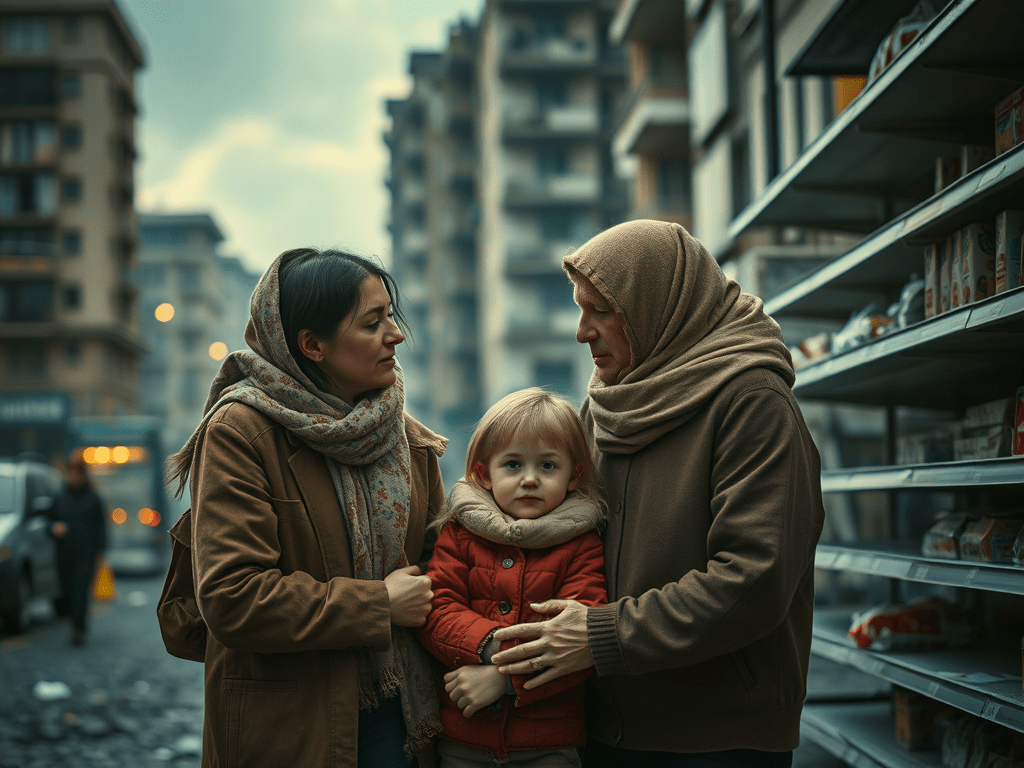
It began in early 2022, when the world watched in disbelief as Russia launched a full-scale invasion of Ukraine. Most of us had seen conflict in other regions before, but this felt different. This was in Europe, between countries that had been neighbors for centuries, sharing not only borders but also histories, economies, and families. Many hoped it would be over quickly. It wasn’t. The war dragged on, and while the battles were being fought on Ukrainian soil, the shockwaves soon reached every corner of Europe—including our homes, our wallets, and our daily routines.
At first, the biggest concern was the human cost. The images were heart-wrenching: families split apart, children crying in subway shelters, entire towns reduced to rubble. Millions of Ukrainians fled to other European countries. In many places, people welcomed them with open arms, offering spare rooms, clothes, and food. It was heartwarming to see such solidarity, but with that compassion came a new reality—more people in need of housing, schools, healthcare, and jobs. Resources were stretched. Local governments scrambled to accommodate the influx, often relying on volunteers and donations to fill the gaps.
Soon after, the economic impact started to unfold. One of the most immediate effects was on energy. Europe had long relied on Russian natural gas and oil to heat homes, power factories, and fuel transport. When sanctions were placed on Russia to punish its aggression—and when Russia responded by cutting off or limiting energy supplies—everything changed. Prices for gas and electricity skyrocketed. In my own household, our utility bills more than doubled. Where we used to heat our home without much thought, we suddenly found ourselves lowering the thermostat, layering up in sweaters, and constantly worrying about the next bill. This wasn’t just uncomfortable; it was frightening. Families across the continent were facing the same strain, especially those already living close to the financial edge.
Energy wasn’t the only thing affected. Food prices began to rise sharply too. Ukraine is one of the world’s largest grain producers, and the war disrupted exports of wheat, corn, and sunflower oil. These aren’t luxury items—they’re staples. With less supply and higher transport costs, prices went up across the board. A simple grocery trip became a budgeting challenge. Eggs, bread, milk—everything was more expensive. The increase wasn’t always dramatic per item, but it added up fast. Inflation crept into every aisle of the supermarket, and every purchase felt heavier than before.
Industries across Europe also started to wobble. Manufacturing, especially in sectors dependent on cheap energy, took a hit. Some factories reduced output or shut down entirely. This led to job losses or reduced working hours. Transportation costs rose, affecting logistics and supply chains. Car production slowed down due to parts shortages, and building materials became more expensive. Small businesses, already reeling from the aftermath of the pandemic, now faced new obstacles. The knock-on effects were everywhere—less income, more uncertainty, harder decisions.
Travel also changed. Airfare went up due to higher fuel costs, and security concerns increased in countries closer to the conflict. Some regions near Russia or Ukraine experienced a drop in tourism, while others saw their infrastructure strained by the arrival of refugees. Border controls tightened in some places, and people began to question the stability of the region. Holidays became more expensive, less spontaneous, and tinged with worry.
For many, the emotional toll was just as severe as the financial one. The war brought back old fears, especially in Eastern European countries that were once part of the Soviet Union. There were whispers and discussions: could this spread? Is my country safe? People began to talk about NATO, defense budgets, and the possibility of military drafts—topics that felt almost surreal just a few years ago. It was unsettling. News reports became hard to watch. The images were grim, the updates relentless. Some people stopped following the news altogether to protect their mental health.
Children were not untouched either. Ukrainian children in exile had to adapt to new schools, languages, and cultures. Many of them carried trauma, confusion, and homesickness. At the same time, children in host countries had to adjust too—new classmates, more crowded classrooms, and in some cases, stretched resources. Teachers had to manage this complex dynamic while offering support and inclusion. It was inspiring to see young friendships bloom despite language barriers, but it was also a reminder of how war touches even the youngest lives.
Then there’s the cost of defense. Countries across Europe have increased their military budgets significantly since the war began. Billions of euros have been allocated to modernize armies, purchase weapons, and strengthen borders. This might be necessary, many say, for national security. But money spent on weapons is money not spent on hospitals, schools, or social programs. Taxpayers are footing the bill, directly or indirectly. And while many support helping Ukraine, some have started to ask how long this level of spending can be sustained.
Politically, the war shifted the European landscape. Governments were pressured to take sides, support sanctions, and provide aid. This unity brought strength, but also tension. Some countries wanted faster action, others urged caution. The energy crisis revealed just how dependent some nations had become on Russian supplies, and now the push is on for energy independence. While this shift toward renewables and diversification is a positive step in the long run, the transition is not instant. In the meantime, consumers bear the cost.
Speaking of cost, let’s come back to inflation. For months, prices rose faster than wages. Central banks raised interest rates in an effort to cool the economy, which made borrowing more expensive. That means higher mortgage payments, pricier loans, and greater pressure on anyone with debt. People trying to buy their first home or invest in a business suddenly found the numbers didn’t work anymore. Rent prices surged in cities where refugees added to already tight housing markets. Incomes stayed flat while everything else soared.
Social divisions widened. Some people blamed immigrants or refugees for the strain, which created tension and division in communities. Misinformation spread on social media, and trust in institutions wavered. In some countries, political parties used the situation to push extreme narratives—either nationalist or isolationist—claiming their country should stop helping Ukraine and focus only on its own problems. This kind of rhetoric gained ground in some elections, changing the tone of public debate and policy.
Even cultural life took a hit. Festivals, events, and public gatherings were canceled or downsized due to budget cuts or redirected funding. Museums and art programs saw less support. The arts often help us process difficult times, but they were pushed aside in favor of urgent needs. It was a reminder of how far-reaching the effects of war can be, even in places far from the front lines.
Despite all this, there were moments of hope. Communities came together to help those in need. People donated, volunteered, opened their homes. Across borders and languages, there was a sense of shared responsibility and compassion. Ukraine’s resistance inspired many, and the unity of European countries in the face of aggression was a powerful signal. It showed that even in dark times, solidarity is possible.
Still, as the war continues, the weight of it grows. Many people are simply tired—of the high prices, the uncertainty, the feeling that nothing is stable anymore. There is no clear end in sight, and the longer it lasts, the deeper the consequences will be. Energy policies are shifting, alliances are being tested, and the economy is still reeling.
In my home, and in homes like mine across Europe, we’ve had to adjust. We use less, spend less, and worry more. We try to stay informed, but not overwhelmed. We talk to our children about the world in ways we didn’t have to before. We’ve had to let go of some plans, delay others, and accept a different pace of life.
This war may be happening in Ukraine, but no one in Europe has been untouched. The conflict has become a mirror, reflecting both our strengths and vulnerabilities. It has tested our economies, our values, and our unity. And it has reminded us that peace, once taken for granted, is something fragile—something we must protect not just with words, but with action, empathy, and endurance.
Whether through higher bills, lost jobs, longer queues, or sleepless nights, we are all feeling its effects. And yet, despite the hardship, many of us still believe in supporting Ukraine—not because it’s easy, but because turning away would be even harder in the long run. This is not just their fight. In many ways, it has become all of ours.