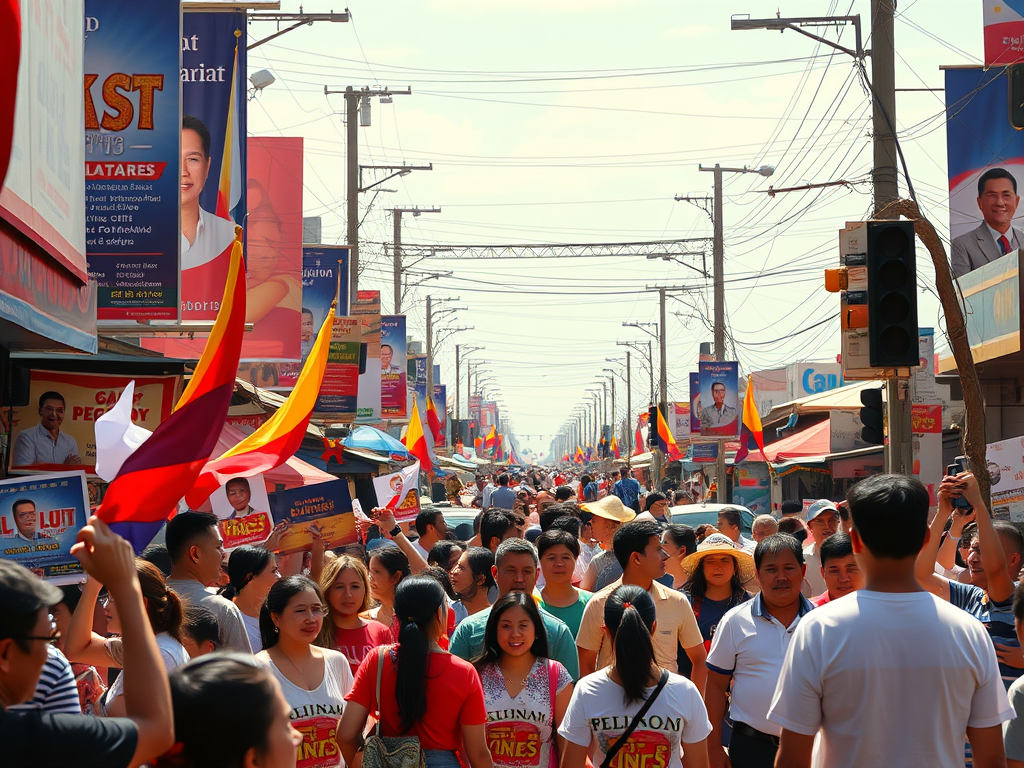
The Philippines is once again entering a very important time: election season. This May, millions of Filipinos will go out to vote in both local and national elections. It’s a moment that brings so much energy, hope, and sometimes even fear across the country. Elections in the Philippines are never boring. They are colorful, emotional, and intense. As the days get closer, you can already feel the tension building everywhere — from conversations in the streets to the heated debates online.
In the upcoming election, Filipinos will be choosing not only their local leaders like mayors, councilors, and governors but also national figures like senators and party-list representatives. Although this is not a presidential election year, the choices made this May will still have a huge effect on the country’s future. Local leaders, after all, are the ones closest to the people. They make decisions that touch daily life — from healthcare and education to roads and public services. Good local governance can make a real difference.
One thing that never changes is how vibrant Philippine elections are. Campaign season turns neighborhoods into battlefields of posters, tarpaulins, and loud jingles. Every street corner seems to carry a smiling face of a candidate promising change, progress, or even “continuation” of current projects. Caravans of vehicles drive around playing songs that get stuck in your head whether you like it or not. Celebrities are once again endorsing their favorite candidates, making rallies look more like concerts than political events. For many Filipinos, this festive mood brings excitement. For others, it brings a reminder of the serious issues that elections still haven’t fixed.
Vote buying sadly remains a big problem. As much as people try to raise awareness about it, the practice still exists. In poor communities, candidates or their supporters offer cash, groceries, or even appliances to sway votes. Sometimes it is subtle — a free “gift” here, a promise there — and other times it is direct. It’s a difficult situation because poverty forces many voters to accept these offers, knowing very well that real change is unlikely to come from those who can be bought or who need to buy loyalty. It’s heartbreaking because it shows that many voters are still trapped between survival and idealism.
Another major issue is political dynasties. Many candidates are familiar names, sons and daughters of former politicians, or even multiple family members running for different posts at the same time. Although there have been many calls to end dynasties, no strong law has been passed against them. As a result, power often stays within the same circles. It makes it harder for new leaders to rise, especially those without big money or famous last names. For many voters, choosing fresh, independent candidates becomes a tough challenge when family loyalty, name recall, and political machinery are so strong.
Security during elections is also a big concern. While the Philippine National Police and the Commission on Elections (COMELEC) are working hard to ensure peaceful elections, there are still areas flagged as “hotspots” where political violence is possible. In some places, rivalries get so heated that armed clashes or intimidation happen. Election-related killings, although fewer compared to past decades, still occur. In remote provinces, fear of violence can influence how freely people vote. Thankfully, with more awareness and stronger monitoring, more voters today feel brave enough to stand up for their choices.
This year, social media will again play a huge role. Almost every Filipino has Facebook, and many candidates are using it to reach voters. Some are very creative — posting videos, memes, and live streams to connect with people. But the dark side of social media is also growing. Fake news spreads fast. Misleading claims, edited videos, and toxic comments can cloud voters’ judgment. Troll farms, online bullying, and information overload make it harder to know what’s true. It’s now more important than ever for voters to double-check facts before believing or sharing anything online.
Still, despite all these challenges, the spirit of democracy in the Philippines stays alive. Filipinos deeply value their right to vote. It’s a hard-earned right, won through years of struggle and sacrifice. Many people wake up early, stand in long lines under the sun, and wait patiently just to cast their vote. Even overseas Filipinos take the time and effort to send in their ballots. That shows a love for country that no amount of corruption can fully erase.
Youth participation is another bright spot. More and more young Filipinos are becoming active. They volunteer in campaigns, join voter education drives, and speak out online. The new generation is more outspoken, more critical, and less afraid to question traditional politics. They bring fresh energy and ideas, and many are pushing for leaders who are honest, capable, and truly service-driven. This new wave of engagement offers hope that the future can be better, even if the present still has many problems.
As election day gets closer, the biggest hope is that voters will look beyond entertainment, beyond money, and beyond empty promises. It’s easy to get swayed by popularity, but the real work happens after the party ends. The officials we choose will manage real problems — jobs, education, health, safety. A good election is not about who can sing the best jingle or throw the biggest rally. It’s about who can deliver real solutions, even when nobody is clapping.
The Philippines is a beautiful country filled with hardworking, kind, and resilient people. It deserves leaders who are the same. This May, every single vote matters. Every barangay, every town, every province will be deciding not just for today, but for the years to come. Elections are a test, not just for candidates, but for voters too. A test of patience, a test of wisdom, and most of all, a test of love for the country.
Let’s hope that more Filipinos choose wisely, bravely, and selflessly. The dream is always the same — a government that truly serves the people, not just during election season but every single day after it.