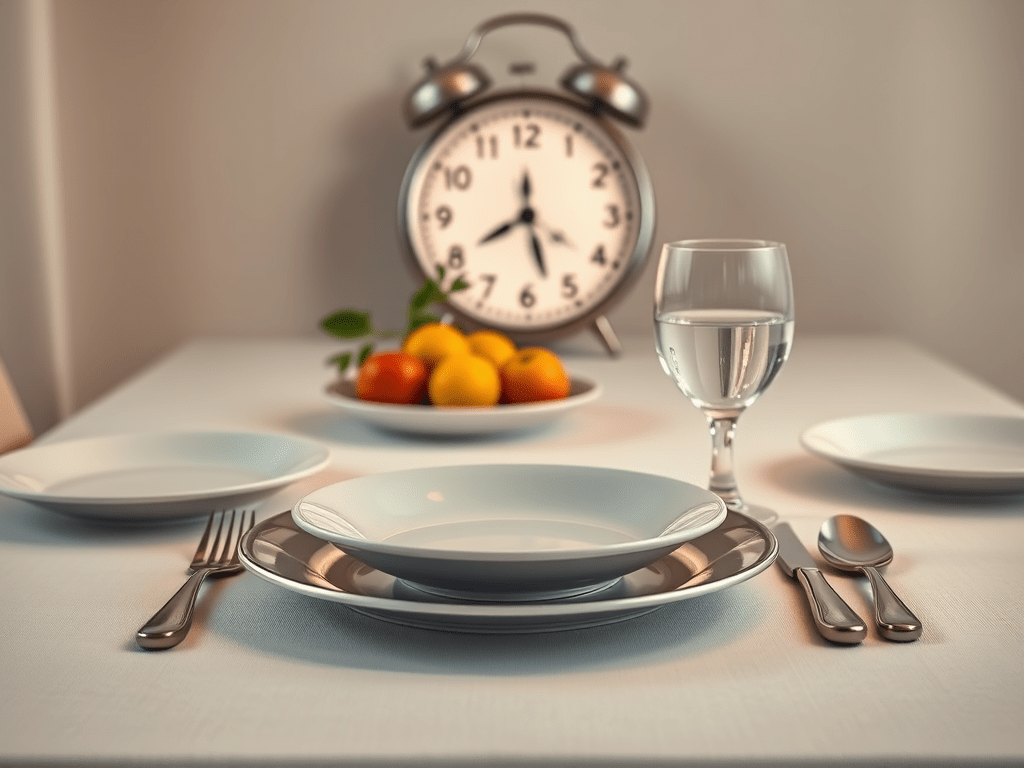
Intermittent fasting isn’t really a diet. It’s more like a pattern of eating. Instead of focusing on what you eat, it’s about when you eat. You choose certain hours of the day or specific days of the week where you don’t eat at all—or just eat very little—and during the rest of the time, you eat normally. It’s a way of giving your body a break from digesting food so it can focus on other things like healing, restoring, and burning fat. And the great thing is, it’s flexible. You can tailor it to your lifestyle, your energy levels, and your personal goals.
Many people first hear about intermittent fasting because of weight loss, but there’s more to it. When you fast, your body goes into a state where it starts to use stored fat for energy. This means it becomes more efficient at burning the fat you already have. But it doesn’t stop there. Fasting also helps improve blood sugar control, lowers insulin levels, reduces inflammation, and can even support heart and brain health. Some studies suggest it might help you live longer or lower your risk for certain diseases. It’s like giving your body time to reset and recharge.
After pregnancy, your body goes through a lot. Your hormones shift, your sleep is all over the place, and of course, your eating habits might change too. That was when I first tried intermittent fasting. Four months after having my daughter, I felt ready to take back control—not just of my weight, but also of my daily rhythm. I chose a simple method: skip dinner. That gave me a long stretch of fasting from late afternoon until the next morning. It was hard at first. I missed eating in the evening, especially when the house was quiet and food felt comforting. But I reminded myself: this wasn’t forever. It was a tool I was using to get back to feeling like myself.
And it worked. Over the next weeks, my body slowly shed the extra weight. I didn’t starve myself. I still ate nourishing food during the day. I made sure I got enough nutrients. And slowly but surely, I got back to my pre-pregnancy weight. The change wasn’t just in the mirror—it was also in my mood, my sleep, and my energy. I felt clearer. Lighter, not just in body, but in mind. That feeling of discipline, of showing up for myself every day, built confidence I really needed at that point in my life.
But I’ll be honest. After I reached my goal, I stopped. I missed the pleasure of food in the evening. I missed cooking dinner, tasting it, sitting with my family, even just snacking while watching a show. So I let go of the routine. I told myself I deserved it. And maybe I did. But over time, the weight started to come back. Slowly, then steadily. My energy dipped. My clothes felt tighter. And more than anything, I missed the feeling that fasting gave me. That feeling of control. That sense of rhythm.
So now, I’m starting again. Same plan—no dinner. A long fast through the evening and night, and eating again the next morning. It won’t be easy. It never really is. But I know it’s possible. I’ve done it before. And this time, I have even more reason to commit. I know what it feels like to succeed at it, and I know how worth it that feeling is. There’s power in doing hard things on purpose. There’s strength in choosing discipline, even when comfort calls your name.
Some people worry that skipping meals isn’t healthy. But intermittent fasting isn’t about starvation. It’s about structure. You still eat enough. You just eat at specific times. And during the fast, you drink water, tea, or black coffee to stay hydrated and keep things moving. It’s important not to overeat during your eating hours, though. You still want balance. Protein, fiber, healthy fats, and lots of water. The goal isn’t just to lose weight, but to nourish your body while giving it time to reset.
There are different ways to try intermittent fasting. Some people do the 16:8 method, where they fast for 16 hours and eat during an 8-hour window. Others prefer alternate-day fasting or the 5:2 method, where you eat normally for five days and limit calories on two days. But for me, skipping dinner works. It gives me enough time to rest and digest, and I wake up feeling light and fresh. It’s not just a physical benefit. It’s mental too. Knowing that I’ve made a decision and stuck to it—that matters.
One thing I’ve learned is that you have to be gentle with yourself too. There are days when it feels impossible. Days when cravings hit hard, or emotions make you want to reach for comfort food. That’s okay. It doesn’t mean you failed. It means you’re human. The key is to not let one moment turn into a week. You just start again at the next opportunity. You get back to your rhythm. And little by little, it adds up.
I’m not doing this to punish my body. I’m doing it to support it. To give it time to do what it’s meant to do. To let it heal, recover, and thrive. Fasting isn’t about deprivation—it’s about intention. And when I approach it with that mindset, everything feels different. It becomes a practice of self-care instead of self-denial. It becomes a way of showing love to myself, not restriction.
Discipline really is the key. Not just for fasting, but for anything meaningful in life. The ability to delay short-term comfort for long-term gain is powerful. Every time I choose not to eat dinner, I’m not just losing weight. I’m building strength. I’m reminding myself that I’m capable. That I can make a plan, stick to it, and see results.
So here I am, back at it. No dinner, starting tonight. I know it will be hard. But I also know it will be worth it. I’m doing this for my body, my mind, and the life I want to live. And if you’re thinking of trying it too, just know—you don’t have to be perfect. You just have to be consistent. One day at a time. One fast at a time. It adds up. It works. And more than anything, it teaches you that you’re stronger than you think.