Learning is not something that only happens in a classroom. While school is one of the most traditional places we associate with gaining knowledge, it’s just one part of a much bigger picture. Every experience we have, every place we go, every person we meet, and every challenge we face has the potential to teach us something new. When we begin to understand this, we realize that learning is not limited by age, time, or place. It happens constantly, often without us even noticing.
School is usually the first structured environment where we are taught specific subjects—math, science, language, history. It provides a foundation, helping us build skills like reading, writing, and problem-solving. Teachers guide us, textbooks provide facts, and exams test our understanding. School introduces discipline, routine, and a sense of direction. But even within the walls of a school, not all learning comes from textbooks. Group projects teach teamwork. Presentations help develop communication. Mistakes made in class can become lessons in resilience and adaptability.
Yet, not everyone learns best in a traditional classroom. Some people are hands-on learners. They understand concepts better by doing rather than reading or listening. Others might find their creativity sparked not by lectures, but by exploring the world around them. This is where travel comes in as a powerful form of education. Traveling takes us out of our comfort zones. It exposes us to new cultures, unfamiliar languages, and different ways of thinking. Even the simple act of navigating through an unknown city can teach problem-solving, patience, and independence.
When you travel, you start to see how people live differently—and yet, in many ways, similarly—all around the world. You might learn that time is viewed differently in other cultures. Or you might experience how food is not just a meal, but a tradition passed down for generations. Each conversation, each street sign in a foreign language, each moment of confusion and discovery adds something to your understanding of the world. These lessons are not written in a curriculum, but they stick with you for life.
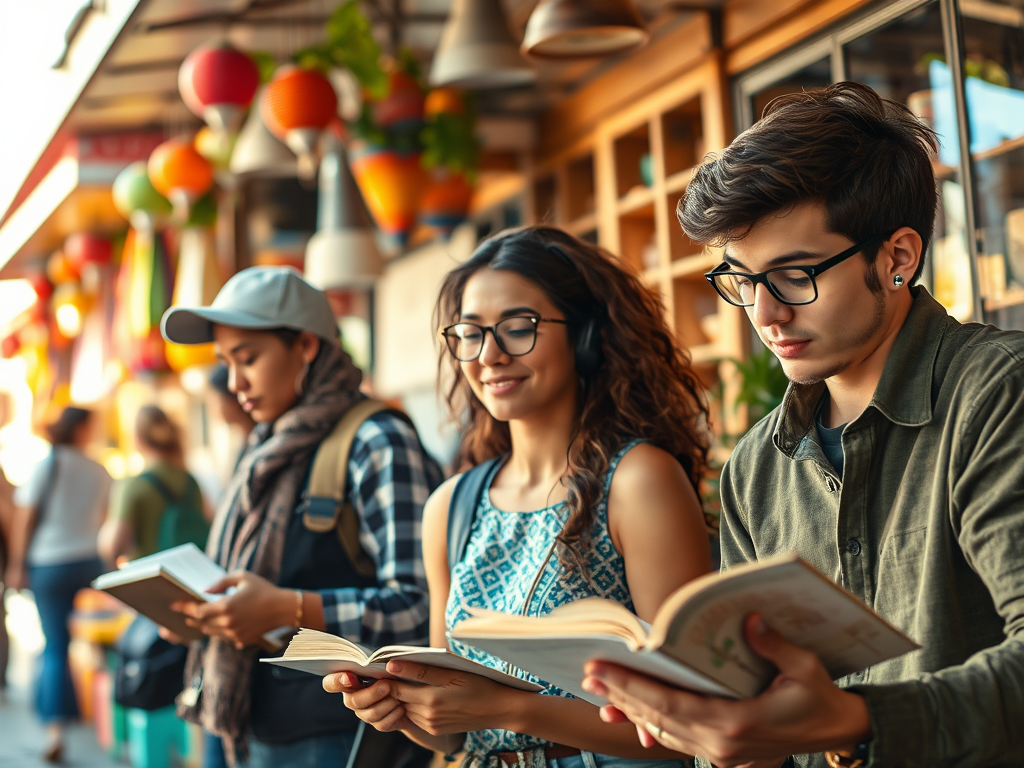
Another powerful way to learn is by reading. Books, articles, even online blogs can open up new ideas and worlds. Reading allows us to step into someone else’s shoes, to see life from a different perspective. It fuels imagination and empathy. A person might never visit ancient Greece, but through a book, they can learn about its philosophy, politics, and daily life. Reading is a way to gather knowledge quietly, at your own pace, and on topics that truly interest you.
Conversations are also a rich source of learning. Talking with someone from a different background, listening to their experiences and viewpoints, can be eye-opening. Even debates—when respectful—can challenge your beliefs and push you to think deeper. Sometimes, just asking someone, “Why do you think that?” can lead to a deeper understanding not only of them but also of yourself. Humans are natural storytellers, and in every story shared, there’s a lesson to be found.
Observation is a subtle, often overlooked way we learn. Watching how people behave, how nature works, or how patterns form in everyday life can teach more than any lecture. Children are especially skilled at learning this way. They watch adults, mimic their actions, and gradually understand the world through those small, repeated moments. Even as adults, this kind of learning never stops. By paying attention, we begin to notice details—how a coworker handles stress, how a plant grows toward the light, how kindness spreads when shown freely.
Trial and error is perhaps one of the oldest learning methods we use. From the time we are toddlers learning to walk, we fail, we fall, we try again. This method teaches resilience and persistence. It tells us that it’s okay not to get things right the first time. In fact, some of the most valuable lessons come from mistakes. Whether it’s cooking a new dish, trying a sport, starting a business, or learning to play an instrument, the process of failing and improving leads to real understanding.
Technology today adds a whole new dimension to learning. The internet has made it possible to learn nearly anything from anywhere. Online courses, videos, podcasts, interactive apps—there are endless resources available at our fingertips. Someone in a remote village can take a course from a top university, or a teenager can learn how to code just by watching tutorials. Technology has made learning more democratic, removing many barriers that once limited access to knowledge.
Learning through art is another path that often goes unnoticed. Creating or experiencing art—whether it’s music, painting, dance, or film—can teach emotional expression, cultural history, and creative thinking. A song can teach language. A painting can reflect a moment in time or a personal emotion. Art allows us to communicate and learn without always using words. It speaks to the heart as well as the mind.
Volunteer work and community service are also strong educational tools. Helping others teaches humility, compassion, and the realities of different social situations. It brings people together and helps develop skills like leadership, communication, and empathy. When you volunteer, you’re not just giving—you’re also receiving valuable life lessons.
Some learning happens in solitude. Quiet moments, when you’re reflecting or daydreaming, often lead to insights that structured environments cannot offer. Meditation, journaling, or simply taking a walk can help your mind process ideas and emotions. It’s in these still spaces that creativity and problem-solving often flourish.
Learning also happens through challenges. Life’s difficulties—whether personal, financial, or emotional—teach strength, adaptability, and the value of hope. These are lessons that no teacher can provide directly, but they are some of the most meaningful and lasting. They shape who we are, how we see the world, and how we treat others.
It’s important to remember that everyone learns differently. What works for one person may not work for another. Some people need structure, while others thrive in freedom. The key is to stay curious and open. Once you begin to see every experience as a potential lesson, life itself becomes the greatest teacher.
In the end, learning is not about memorizing facts or passing exams. It’s about understanding the world and your place in it. It’s about growing, adapting, and becoming more aware. Whether you’re sitting in a classroom, hiking through a forest, reading a novel, listening to a friend, or simply making a mistake—you’re learning. And that process, if embraced, continues for a lifetime.