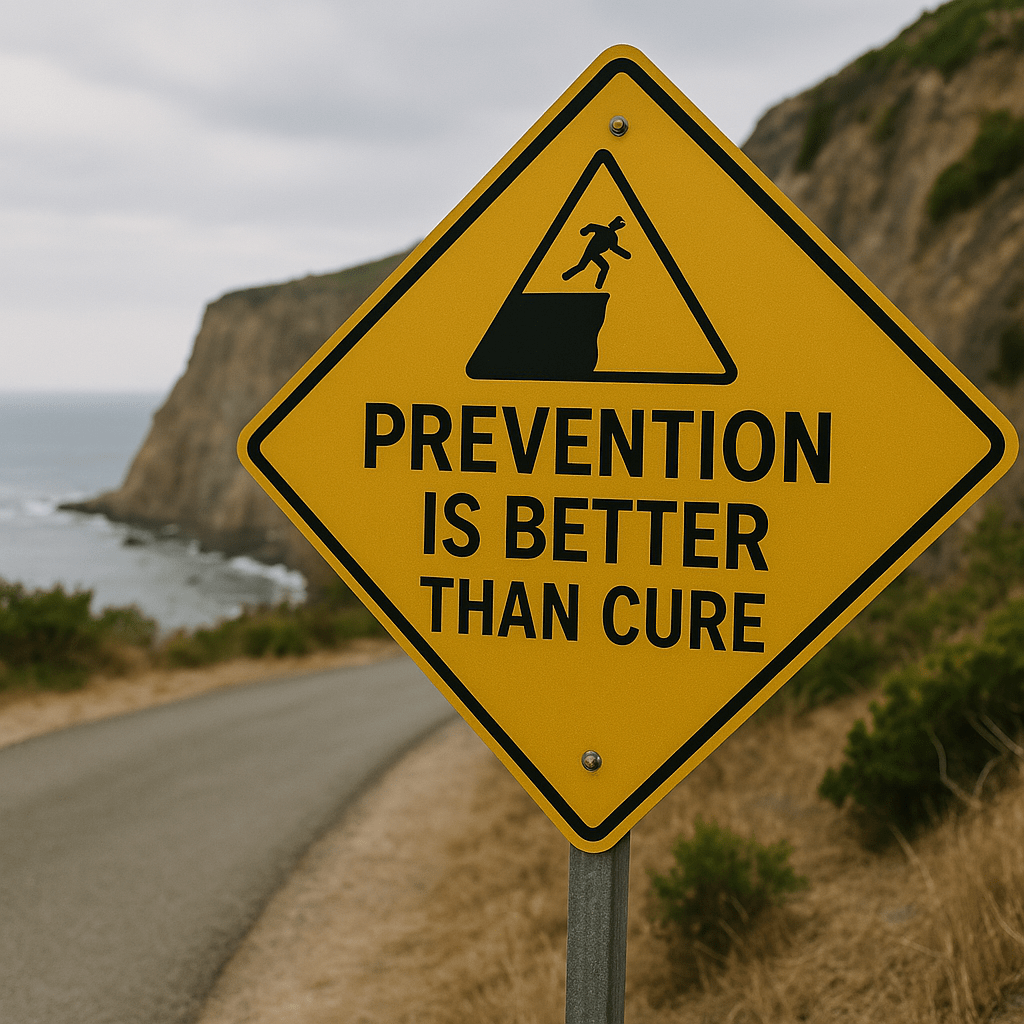
We often hear the phrase “prevention is better than cure” when talking about health. It is a simple idea that avoiding illness is easier, cheaper, and less painful than treating it after it arrives. But this wisdom does not belong only to the world of medicine. It extends to nearly every aspect of life. Whether we are managing money, relationships, careers, or even the environment, taking preventive steps can save us from serious trouble in the future.
When it comes to health, the benefits of prevention are obvious. A person who eats well, exercises regularly, and avoids harmful habits like smoking is far less likely to suffer from chronic diseases. Medical experts recommend vaccinations, routine check-ups, and hygiene practices to keep illnesses at bay. Once a disease takes hold, treatment may be expensive, time-consuming, and sometimes ineffective. The cost of surgeries, hospital stays, and medications often outweighs the small efforts of leading a healthy lifestyle. A simple habit of washing hands can prevent infections, just as wearing a seatbelt can prevent fatal injuries in accidents. Little actions make a huge difference.
Beyond health, this principle applies to finances. Wise financial planning can prevent future hardship. People who save a portion of their income, avoid unnecessary debts, and invest carefully often find themselves secure even in times of economic downturn. On the other hand, those who spend recklessly without thinking of the future may find themselves in deep trouble when unexpected expenses arise. A person who keeps an emergency fund is better prepared for a sudden job loss than someone who spends every penny they earn. Here, “prevention is better than cure” could be translated as “a stitch in time saves nine” or “look before you leap.” It is about thinking ahead and being ready.
The same logic applies to relationships. Small acts of kindness, regular communication, and respect can prevent misunderstandings and conflicts. Many relationships suffer not because of big betrayals but because of small, unresolved issues that build up over time. A marriage, for example, can be saved by daily appreciation and effort rather than waiting until problems have grown too big to fix. A friendship can last a lifetime if both people make efforts to understand each other instead of allowing resentment to fester. Just as it is easier to prevent a disease than to treat it, it is easier to maintain a strong bond than to repair a broken one.
Education is another area where prevention plays a crucial role. A student who studies consistently throughout the year will have a much easier time during exams than one who crams at the last minute. A worker who keeps upgrading their skills is less likely to struggle if their job changes or the industry evolves. Learning and preparation are preventive measures against failure. Those who wait until the last moment to act often find themselves overwhelmed. Here, another fitting phrase could be “forewarned is forearmed.” Being prepared in advance prevents panic and poor decisions later.
The principle of prevention is equally critical in protecting the environment. The world faces major issues like climate change, pollution, and deforestation, which could have been minimized if preventive actions were taken earlier. Instead of waiting for disasters, small steps such as reducing waste, using renewable energy, and conserving water can prevent bigger catastrophes. Once natural resources are exhausted, there is no cure. The damage is often irreversible. A sustainable lifestyle is the preventive action that secures the future of the planet.
Even in matters of safety and security, prevention is key. A company that installs strong cybersecurity measures can prevent data breaches that would otherwise cause massive financial and reputational loss. A society that focuses on educating its youth and creating job opportunities is less likely to face issues like crime and unrest. Preventive strategies can help governments avoid economic collapses and public health crises. In every case, being proactive is better than being reactive.
People who ignore small problems often find themselves facing much bigger ones. A car owner who skips regular maintenance may face a breakdown that costs far more than routine servicing. A city that neglects infrastructure repairs may face disasters that could have been avoided. Whether it is health, finances, relationships, education, safety, or the environment, the truth remains the same: small efforts now prevent big regrets later.
The key to prevention is awareness, discipline, and action. It requires people to think ahead, anticipate risks, and take measures before things go wrong. It is not about being paranoid or overly cautious but about being responsible and mindful. Those who practice prevention enjoy smoother, more secure, and more fulfilling lives. They avoid unnecessary pain, loss, and hardship. They create stability and success by planning wisely.
While “prevention is better than cure” is mostly used in health contexts, alternative phrases capture the same idea in other areas. “A stitch in time saves nine” reminds us that early action prevents bigger problems. “Look before you leap” emphasizes careful thinking before making decisions. “Forewarned is forearmed” suggests that being informed helps in avoiding trouble. All these expressions point to the same truth: it is always wiser to prevent than to fix.
No matter the situation, taking proactive steps is almost always more beneficial than dealing with consequences. Whether we are preventing disease, financial crises, relationship conflicts, academic struggles, environmental disasters, or security breaches, the lesson remains unchanged. The cost of prevention is usually far lower than the cost of cure. The wise take precautions; the careless deal with regret. In every area of life, the choice is ours to make.