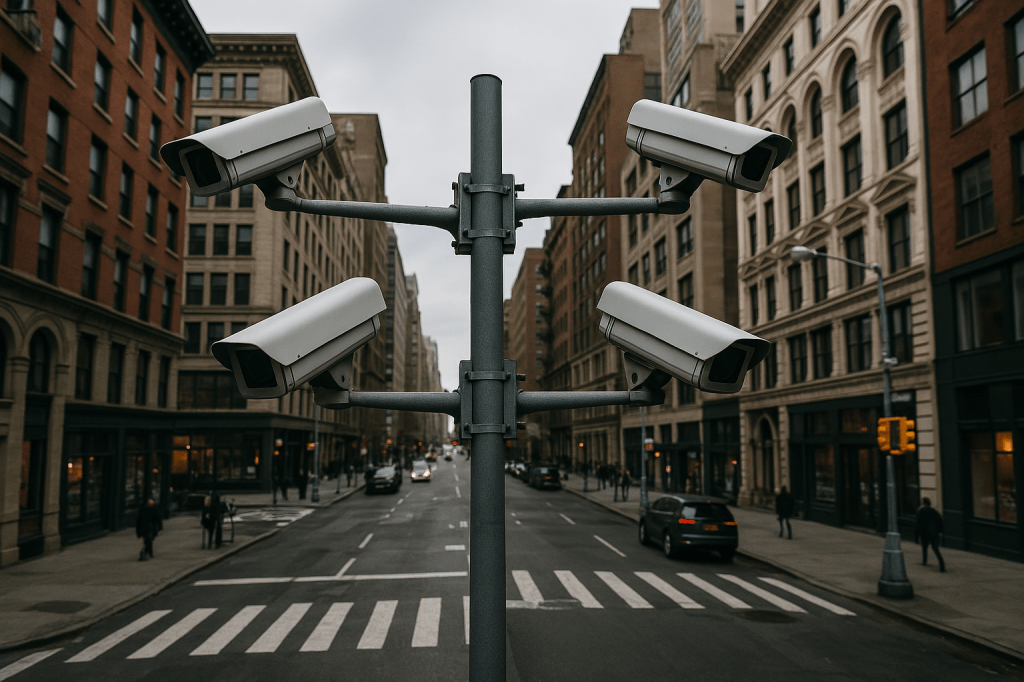
Surveillance in a city is an essential tool that helps law enforcement identify culprits and maintain security. With modern technology, cameras, facial recognition, and data analytics have become crucial in fighting crime. While this system offers many benefits, it also raises significant concerns about privacy and ethical implications. In my opinion, the balance between security and personal freedom must be carefully maintained to ensure a just and fair society. This topic was studied in detail during my Data Science Principles course at Harvard Business School Online, where I examined both the advantages and challenges of city surveillance through recorded lectures and study materials.
The primary advantage of city surveillance is its effectiveness in preventing and solving crimes. Cameras placed in public areas can deter criminals from engaging in unlawful activities. If someone knows they are being watched, they might think twice before committing a crime. Furthermore, if a crime does occur, surveillance footage provides valuable evidence that helps police identify and apprehend suspects quickly. Facial recognition technology, when combined with surveillance, enhances this capability by matching individuals with known criminal databases in real-time. This speeds up investigations and ensures that justice is served promptly.
Another major benefit of surveillance is its role in emergency response. If an accident, fire, or other critical situation occurs, real-time monitoring allows authorities to react swiftly. Traffic cameras help manage congestion and assist in rerouting vehicles during emergencies. Public safety is significantly improved when law enforcement and emergency services have access to live footage that aids in decision-making. Additionally, surveillance helps monitor large gatherings and public events, ensuring security and preventing potential threats like terrorist attacks.
However, despite these advantages, surveillance also raises significant concerns, particularly regarding privacy. Constant monitoring in public places means that individuals lose a degree of personal freedom. Even law-abiding citizens might feel uncomfortable knowing that their movements are being recorded at all times. This concern intensifies when surveillance extends to private spaces or when data is collected without consent. People have the right to move freely without feeling watched, and excessive monitoring can create an atmosphere of distrust between the public and the authorities.
Another risk associated with surveillance is the potential for misuse. Governments or organizations in control of surveillance systems may use them for purposes beyond crime prevention. In some cases, surveillance has been employed to track political activists, journalists, or individuals expressing dissent. This raises ethical questions about who has access to the data and how it is used. If surveillance is not properly regulated, it can become a tool for oppression rather than protection.
Additionally, technology is not infallible. Facial recognition systems have been found to have biases, leading to false identifications, especially among people of different ethnic backgrounds. These errors can have serious consequences, such as wrongful arrests or harassment of innocent individuals. Relying too heavily on surveillance technology without human oversight can lead to mistakes that undermine justice rather than uphold it.
Another concern is data security. Surveillance systems generate vast amounts of data, which need to be stored and protected. If this data falls into the wrong hands due to hacking or breaches, it can be misused for criminal purposes. Unauthorized access to surveillance footage can lead to identity theft, blackmail, or other malicious activities. Proper cybersecurity measures must be in place to ensure that surveillance data remains secure and is only accessed by authorized personnel.
Despite these challenges, I believe that surveillance can be a powerful tool for law enforcement if implemented responsibly. The key is to establish clear regulations that protect privacy while allowing security agencies to perform their duties effectively. Transparency in how surveillance is used, who has access to the data, and how long the information is retained is crucial. Citizens should have the right to know when and where they are being monitored and should have avenues to challenge surveillance practices if they believe their rights are being violated.
One way to achieve a balance is through independent oversight. A governing body that reviews surveillance policies and ensures they comply with ethical standards can help prevent misuse. Public input should also be considered in decisions related to surveillance implementation. When people have a say in how security measures are carried out, they are more likely to trust the system and accept it as a necessary aspect of urban life.
Another solution is to use surveillance data responsibly by ensuring it is only used for crime prevention and law enforcement. Clear policies should define the scope of surveillance, and authorities should be held accountable for any misuse. Anonymization techniques, such as blurring faces or restricting data access, can also help mitigate privacy concerns while still allowing law enforcement to do their jobs effectively.
Technological advancements should focus on improving accuracy and eliminating biases in surveillance systems. Artificial intelligence and machine learning should be trained on diverse datasets to ensure fair treatment of all individuals. Law enforcement should also combine technology with traditional investigative methods rather than relying solely on surveillance footage to make critical decisions. Human judgment remains essential in interpreting data and ensuring justice is upheld fairly.
Public awareness and education play a crucial role in fostering a well-balanced surveillance system. People should be informed about how surveillance works, what rights they have, and how they can hold authorities accountable. Open discussions between law enforcement, policymakers, and the public can help build a surveillance system that prioritizes both security and personal freedom.
Ultimately, city surveillance is a double-edged sword. While it offers undeniable benefits in crime prevention and public safety, it also presents risks related to privacy, misuse, and ethical concerns. In my opinion, the solution lies in striking a balance where surveillance is used responsibly, with clear regulations and oversight to prevent abuse. If implemented correctly, it can enhance security without compromising fundamental rights. However, if left unchecked, it could lead to a society where people constantly feel watched and controlled. Therefore, careful consideration is necessary to ensure that surveillance serves its intended purpose while respecting individual freedoms.