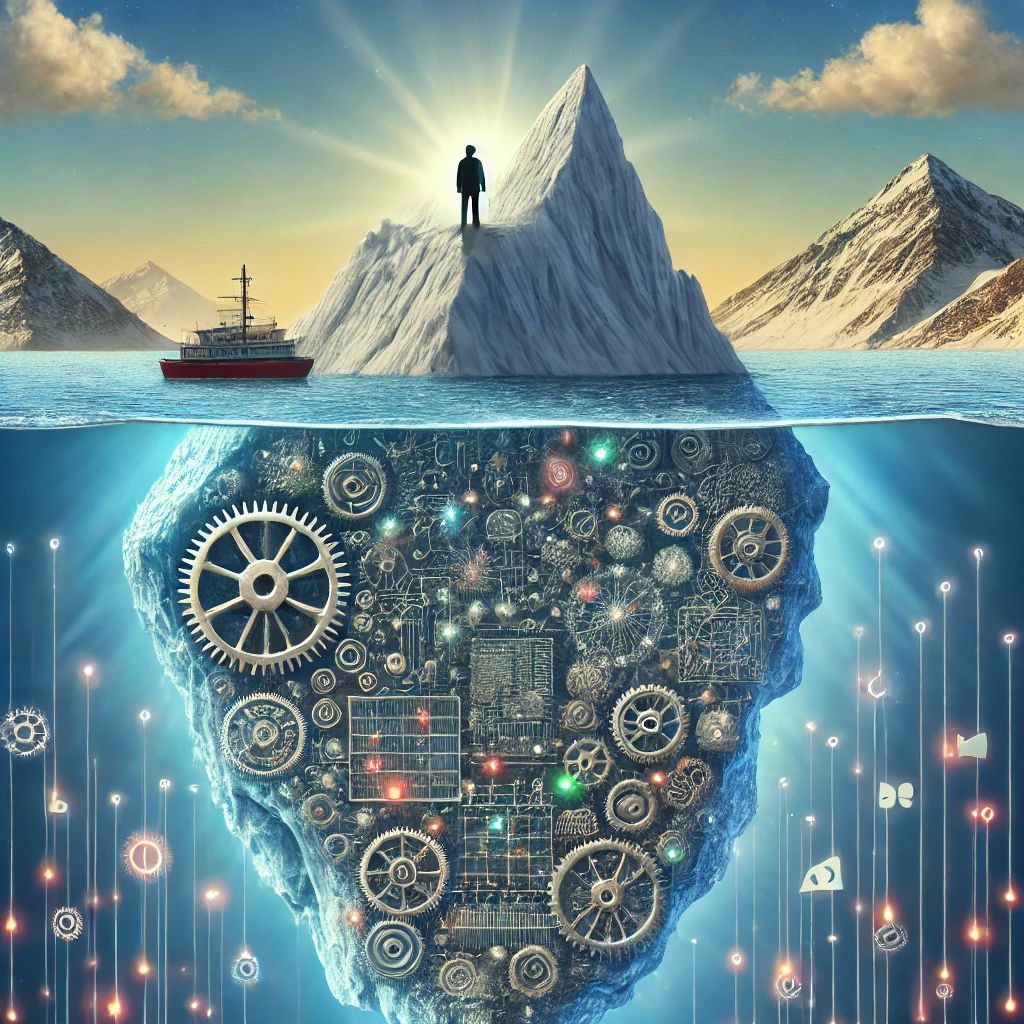
There’s something I’ve always found fascinating: how people often overlook the hidden complexity in things that seem simple. We live in a world where so much is taken for granted, and yet, beneath the surface, there’s an entire layer of depth that most people never stop to think about. It’s not just about science, history, or philosophy—it’s about the everyday things we assume we understand but really don’t.
Take language, for example. We use words effortlessly, texting, speaking, joking, arguing, yet few people truly appreciate the miracle of communication. Every sentence is a balancing act between logic and emotion, clarity and ambiguity. A single word choice can change the meaning of an entire conversation. And yet, most people assume words simply “mean what they mean.” But if that were true, misunderstandings wouldn’t be so common. The same phrase can be comforting or offensive depending on tone, context, and culture. The more you think about it, the more language feels less like a tool and more like an art form—one we all participate in without realizing it.
Or consider technology. Most people today rely on their smartphones, laptops, and the internet without a second thought. But if asked to explain how the internet works, how a phone converts sound into electrical signals, or even how a simple Google search pulls up the exact result they want, the majority would struggle. The average person doesn’t need to understand how Wi-Fi works to use it, but that lack of understanding leads to an odd kind of arrogance. People make sweeping judgments about tech, assuming things are easy just because they appear seamless. “Why can’t they just add this feature?” or “Why is this website slow?” are questions based on an illusion—that because something is simple to use, it must be simple to build. In reality, technology is a massive, interconnected web of systems, and even the tiniest function we take for granted is the result of thousands of hours of human ingenuity.
Relationships are another example. Many believe love, friendship, or even basic social interactions should be intuitive. “If they really cared, they would just know,” is a phrase that floats around in various forms. But human connection is not automatic. It’s built, maintained, and constantly negotiated. People assume they understand others because they see them every day, talk to them, and know their favorite foods or hobbies. But knowing facts about someone is not the same as understanding them. People change, emotions shift, and unspoken expectations build up over time. A great relationship—romantic, platonic, or professional—isn’t something that just “works.” It’s something people have to put effort into, yet many don’t realize this until they experience miscommunication or conflict.
Even simple decisions—what we eat, how we spend money, why we like certain things—are often more complex than they seem. Consider taste. Why do some people love coffee while others hate it? Most assume it’s just preference, but beneath that are layers of biology, psychology, and experience. Taste buds differ from person to person, cultural upbringing shapes expectations of flavor, and even memories influence whether we find a food comforting or disgusting. Nothing is as straightforward as it appears.
The same goes for personal beliefs. Many people assume their opinions are entirely their own, formed by logic and reason. But every belief is shaped by upbringing, environment, exposure to media, and subconscious biases. We think we “know” things, but much of what we believe has been absorbed rather than actively chosen. That’s not to say people don’t think critically—some do—but even the most independent thinker is influenced by factors they’re unaware of.
There’s a paradox in all this. The more you understand how little you understand, the more aware you become. It’s easy to move through life assuming things are simple. It takes effort to recognize the complexity in even the most basic experiences. But once you do, the world becomes more interesting. You start to notice the details others ignore. You ask better questions. And most importantly, you develop a kind of humility—because you realize that no matter how much you think you know, there’s always more beneath the surface.