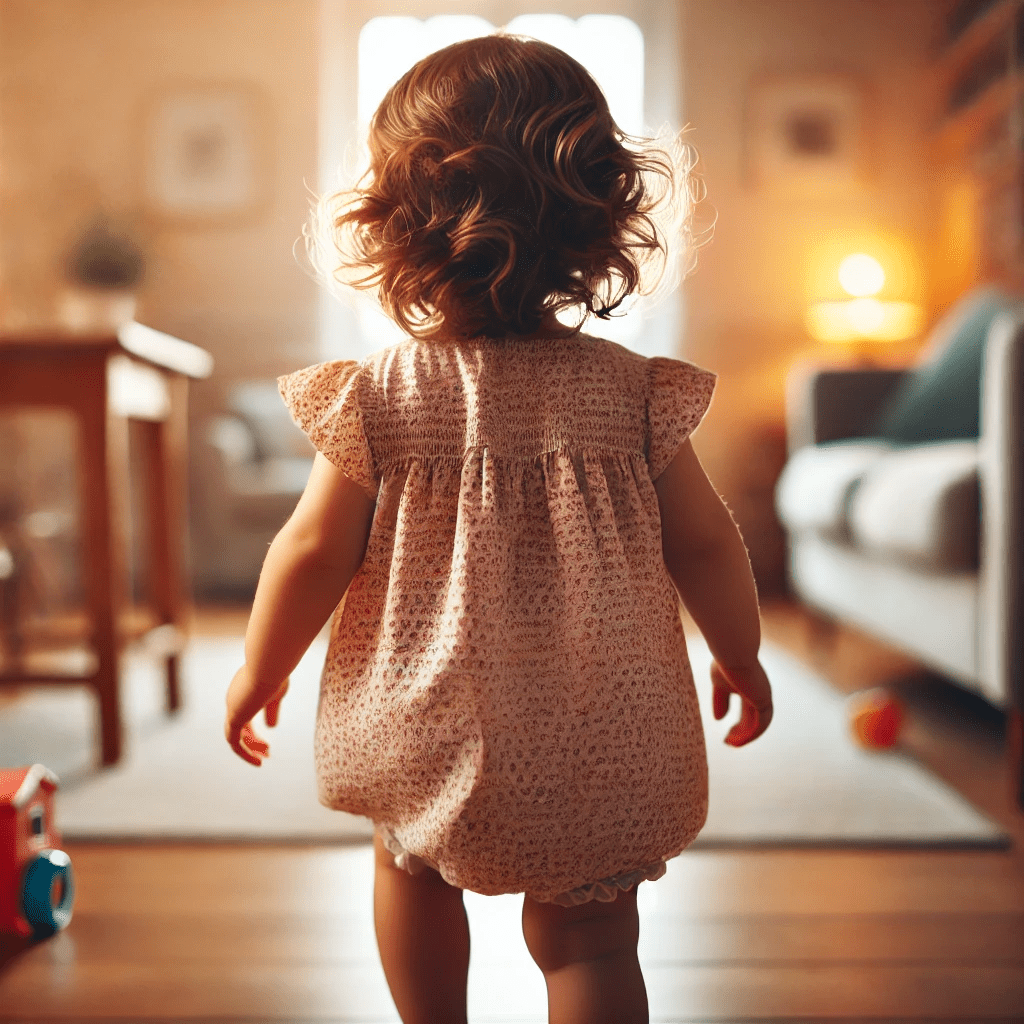
One of the most magical moments in parenting is watching your child take their first independent steps. It happens in a blink—one moment they are crawling, cruising along furniture, or simply observing the world from the safety of your arms, and the next, they are standing tall, ready to explore on their own two feet. For my daughter, this milestone arrived earlier than expected. At just 10 months old, she amazed us all by suddenly standing up and walking as if she had been doing it forever.
Every baby’s journey to walking is unique. Some take their time, cautiously testing their balance, while others, like my daughter, seem to skip the wobbly phase and take off with confidence. It was a normal day, nothing out of the ordinary, when she decided she was ready. There was no build-up, no slow progression of steps—just an instant moment of transformation. She pulled herself up, balanced for a brief second, and walked across the room without hesitation. The excitement, the disbelief, and the sheer joy of that moment will stay with me forever.
Walking independently is one of the biggest milestones in a baby’s development. It marks the beginning of a new level of independence, where they can explore the world on their own terms. The transition from crawling to walking involves many small but crucial skills—strengthening leg muscles, improving balance, and building coordination. Some babies prefer to take their time, mastering each stage carefully, while others surprise everyone by jumping ahead, just as my daughter did.
The first steps bring a mix of emotions for parents. There’s overwhelming pride, seeing your child achieve something so significant, but there’s also a new level of awareness. Walking means increased mobility, which means more curiosity, more bumps and falls, and more things to baby-proof. Once my daughter started walking, she wanted to go everywhere—there was no stopping her. She explored every corner of the house, reached for things she couldn’t before, and giggled with delight at her newfound freedom.
Despite how effortless her walking seemed, I knew that behind the scenes, her body had been preparing for this moment for months. Babies strengthen their muscles through activities like tummy time, rolling over, and crawling. Even when they pull up to stand and cruise along furniture, they are fine-tuning their balance and coordination. When they finally take those first unassisted steps, all of these tiny developments come together in perfect harmony.
Of course, with new milestones come new challenges. Walking independently means more independence, but it also means more falls. I quickly learned that minor tumbles were part of the process. Sometimes she would lose her balance, sit down suddenly, or even take a tiny misstep that led to a soft fall. But each time, she got right back up, determined to keep going. Her resilience was inspiring—it reminded me that every fall is just another step toward mastering a skill.
Another thing I noticed was how walking changed her personality. It was as if this newfound independence boosted her confidence overnight. She became more expressive, more adventurous, and even more eager to interact with the world around her. Walking wasn’t just about moving from one place to another; it was about discovering what she was capable of. She wanted to carry toys while walking, reach for objects on higher surfaces, and explore spaces she had only crawled through before.
As parents, we often wonder when our children will reach their milestones, but the truth is, each baby has their own timeline. Some walk at 9 months, others at 15 months, and both are completely normal. Walking early or late doesn’t define a child’s abilities—it simply reflects their personal development journey. What matters most is creating an environment that encourages exploration, movement, and confidence.
Looking back, I realize how special it was to witness my daughter’s first steps. It was a reminder that growth happens in its own way, sometimes when you least expect it. One day, she was a baby crawling around the house, and the next, she was a tiny explorer taking on the world one step at a time.
Now, when I see her running across the room, climbing onto furniture, or spinning in circles just for fun, I think about that magical moment when she first stood up and walked. It was the beginning of a new chapter—not just for her, but for us as parents. Because with every step she takes, she’s not just walking—she’s growing, learning, and becoming the person she is meant to be.