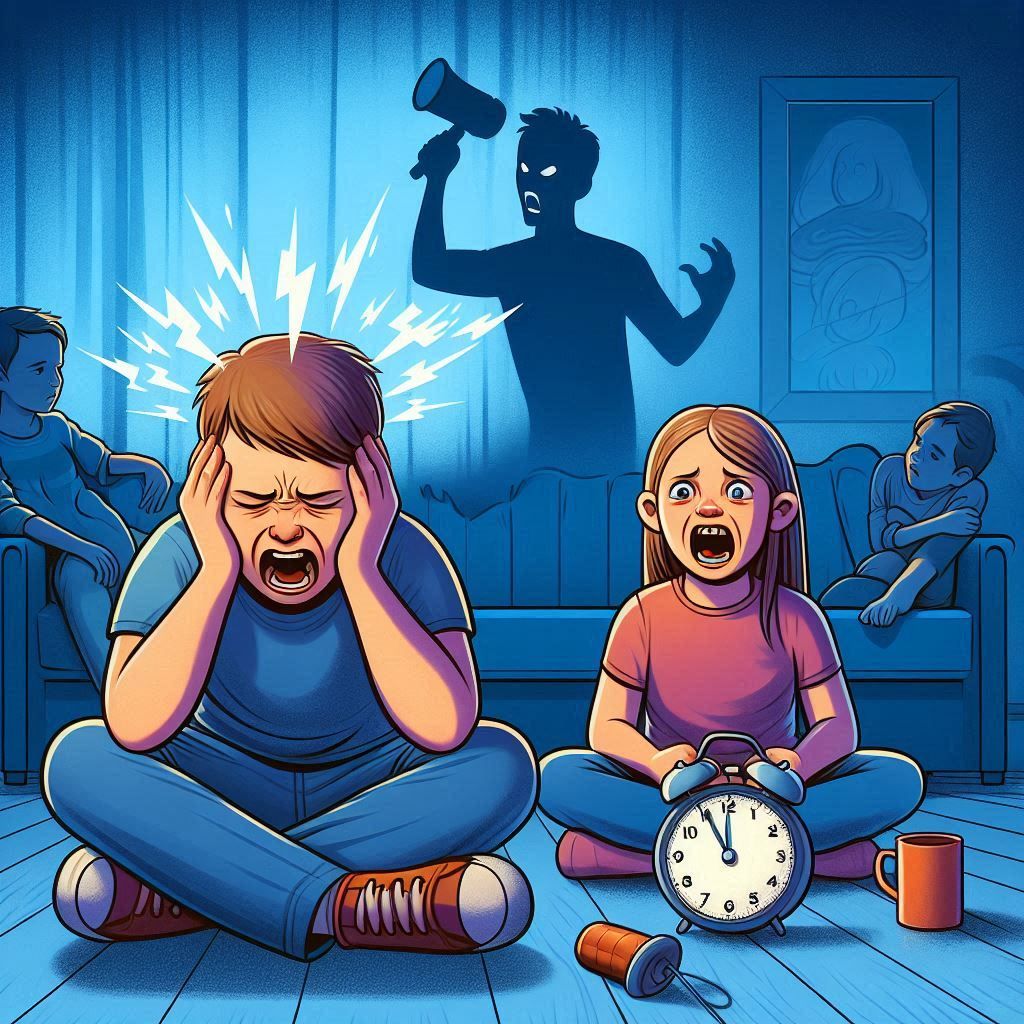
Children are like sponges, absorbing everything around them. Their world is built on experiences, interactions, and the emotions they receive from caregivers. How adults communicate with children shapes their understanding of themselves and the world. While discipline and guidance are necessary, the manner in which they are delivered makes a significant difference. Many parents and caregivers resort to yelling, often out of frustration, exhaustion, or desperation. However, constant yelling does more harm than good, affecting a child’s mental and emotional well-being in ways that can last a lifetime.
A child’s early years are crucial for development. Their brains are rapidly forming connections that shape their future behavior, self-esteem, and emotional resilience. When a child is frequently yelled at, their stress levels rise. Their body releases cortisol, a stress hormone that, when constantly activated, can interfere with brain development. This heightened stress response can lead to anxiety, difficulties with emotional regulation, and even long-term mental health struggles. While an occasional raised voice may not have lasting damage, persistent yelling can create an environment of fear and insecurity, making children feel unsafe even in their own homes.
Children look up to adults to understand their emotions. When they are frequently exposed to loud, angry voices, they may learn to associate love and authority with fear. Instead of understanding what they did wrong, they might become more focused on avoiding punishment rather than learning from their mistakes. Over time, this can lead to poor emotional regulation, making them more likely to react with aggression or withdrawal when faced with challenges. If children grow up in a household where yelling is the norm, they may also struggle to develop healthy communication skills, repeating the same patterns in their relationships later in life.
A child’s sense of self-worth is fragile. The words adults use shape how children see themselves. When children are repeatedly yelled at, they may begin to believe they are “bad” or “not good enough.” Instead of seeing their mistakes as opportunities to learn, they may internalize a sense of failure. This can lead to self-doubt, lower confidence, and a fear of making mistakes, which can hinder their ability to explore new opportunities as they grow. Constantly being on the receiving end of loud, harsh words can also make children more prone to developing negative self-talk, a habit that can persist into adulthood and contribute to feelings of worthlessness.
Beyond emotional consequences, constant yelling can also affect a child’s behavior. Some children may become more rebellious, pushing back against authority figures as a reaction to their environment. Others may become overly submissive, trying to keep the peace by suppressing their own emotions and desires. Both extremes can be problematic, leading to difficulties in school, friendships, and later, in the workplace. Children who experience frequent yelling may also struggle with trust, feeling unsure about whether they can rely on their caregivers for support.
It is important to understand that yelling is often a reflection of an adult’s frustration rather than a child’s wrongdoing. Parents and caregivers may feel overwhelmed, tired, or even powerless, and yelling may seem like the only way to gain control of a situation. However, taking a step back and approaching discipline with calmness and understanding can make a world of difference. Children respond better to guidance that is firm yet gentle. When they feel safe, heard, and respected, they are more likely to listen and learn from their mistakes.
Alternatives to yelling include setting clear expectations, using a calm but firm tone, and offering choices that help children feel involved in the decision-making process. Positive reinforcement, such as acknowledging good behavior, can be far more effective than punishment. If a child misbehaves, explaining the consequences in a composed manner helps them understand the impact of their actions without feeling attacked. Taking deep breaths, walking away for a moment, or even lowering one’s voice can often be more effective than raising it.
Building a relationship based on respect and trust allows children to develop emotional security. When they feel safe expressing themselves, they are more likely to communicate openly rather than act out. A home filled with patience and understanding fosters resilience, allowing children to grow into confident individuals who know how to handle emotions in healthy ways. Mistakes are part of learning, and when children are guided with kindness, they learn not only how to behave but also how to treat others with the same level of respect and care.
Parenting is challenging, and no one is perfect. Everyone has moments of frustration, and occasional yelling is a reality in many households. What matters is making an effort to create an environment where yelling is not the primary method of communication. Children deserve to grow up feeling loved, valued, and safe. By choosing patience over anger, adults can give them the emotional tools they need to thrive—not just in childhood, but for the rest of their lives.