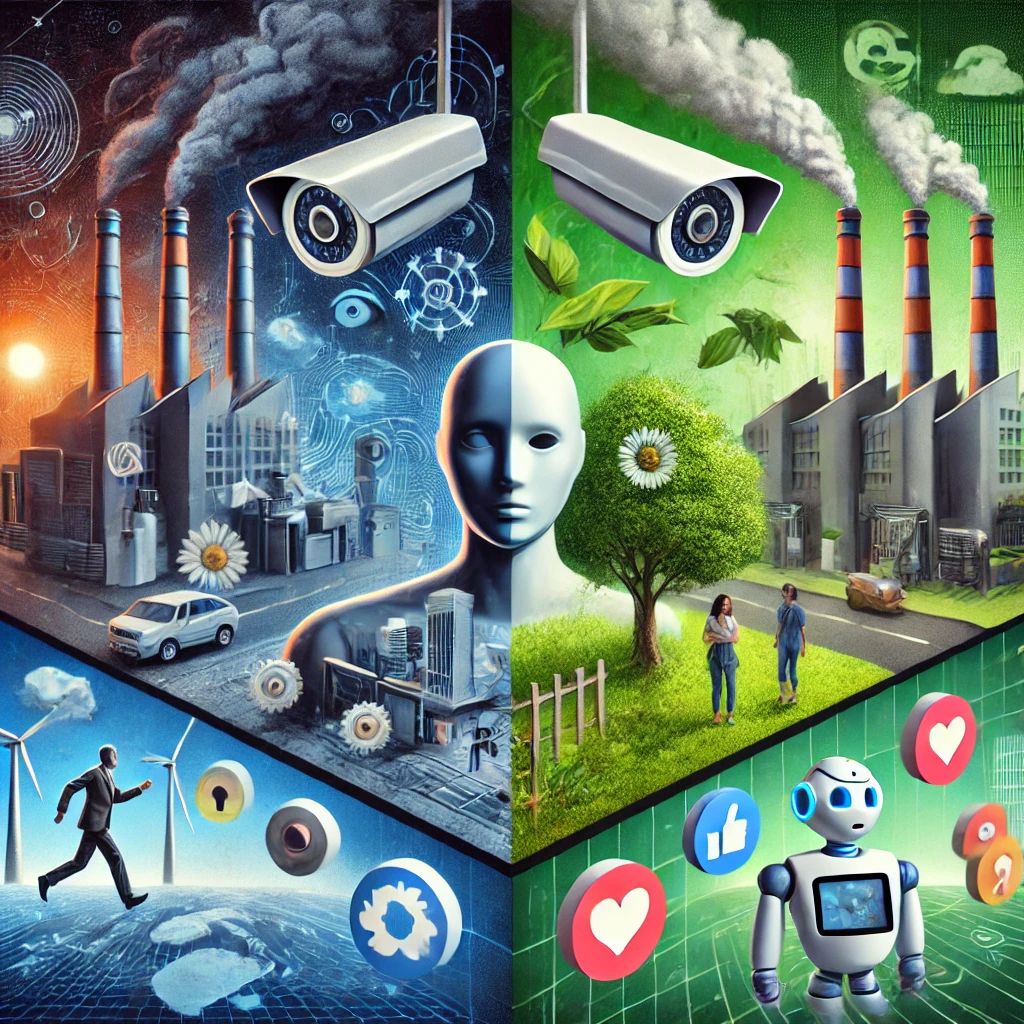
In an increasingly complex world, ethical dilemmas have become more common and difficult to navigate. Advances in technology, shifting societal norms, and global interconnectedness present new challenges that require careful thought and moral reasoning. Every day, individuals and organizations face decisions that test their values, from privacy concerns in the digital age to the impact of artificial intelligence on employment. These dilemmas rarely have simple answers, as they often involve conflicting interests, legal considerations, and personal beliefs.
One of the most pressing ethical issues today is digital privacy. With the rise of social media, smart devices, and artificial intelligence, companies collect massive amounts of personal data. While this data helps improve user experience and drive innovation, it also raises serious concerns about privacy and security. People often agree to terms and conditions without fully understanding how their information will be used. Governments and corporations must balance the need for technological advancement with the right to personal privacy. Should companies be allowed to track users for targeted advertising? To what extent should governments monitor online activities for security purposes? These questions highlight the ongoing struggle between convenience and ethical responsibility.
Another ethical dilemma is the use of artificial intelligence in the workplace. Automation and AI-driven tools have increased efficiency, but they have also led to job displacement. Many industries now rely on AI to perform tasks once handled by humans, from customer service chatbots to automated warehouses. While businesses benefit from reduced costs, workers face uncertainty about their livelihoods. The ethical challenge lies in finding a balance between innovation and job security. Should companies be responsible for retraining employees who lose their jobs to automation? How can society ensure that technological progress benefits everyone, not just corporations and investors?
The ethical complexities of social media also deserve attention. Platforms like Facebook, Twitter, and TikTok influence public opinion, shape political discourse, and affect mental health. The spread of misinformation and fake news has created challenges for democracy and social trust. Algorithms prioritize engagement over accuracy, often amplifying sensational or misleading content. At the same time, there is debate over censorship and free speech—should social media companies have the right to ban users or remove content they deem harmful? Striking the right balance between preventing misinformation and protecting freedom of expression is one of the biggest ethical debates of the digital era.
Another modern ethical dilemma involves consumerism and environmental responsibility. Many people are aware of the environmental impact of their choices, yet fast fashion, single-use plastics, and mass production continue to dominate global markets. Consumers want affordable products, while businesses focus on profit, often at the expense of sustainability. The question then arises: who bears the responsibility for protecting the environment? Should governments impose stricter regulations on companies, or should individuals take more responsibility for their purchasing habits? Ethical consumerism is challenging because it often requires sacrificing convenience and affordability for the greater good.
Medical advancements also raise ethical concerns, particularly in areas like genetic engineering and end-of-life decisions. Technologies such as CRISPR allow scientists to edit genes, potentially eliminating hereditary diseases. However, the ability to modify human DNA also opens the door to ethical concerns about designer babies and genetic inequality. Should parents be allowed to choose their child’s traits? Where should the line be drawn between medical necessity and human enhancement? Similarly, debates over assisted dying continue to divide societies. While some argue that individuals with terminal illnesses should have the right to end their suffering, others worry about the potential for abuse or pressure on vulnerable individuals.
Ethical dilemmas in business and corporate responsibility also play a major role in modern life. Companies frequently face decisions that impact employees, customers, and society at large. Issues like fair wages, diversity in hiring, and ethical sourcing of materials require businesses to balance profit with social responsibility. For example, multinational corporations often outsource production to countries with lower labor costs, but this raises questions about worker exploitation and unsafe working conditions. Should consumers boycott companies with unethical labor practices, or should businesses be held accountable through government regulations? The push for corporate social responsibility highlights the growing expectation that businesses must consider more than just their bottom line.
The ethical challenges of biotechnology and artificial intelligence in healthcare are also worth examining. AI is being used to diagnose diseases, develop treatment plans, and even perform surgeries. While these advancements have the potential to improve healthcare outcomes, they also raise concerns about bias, accountability, and access. If an AI makes a mistake in diagnosing a patient, who is responsible—the doctor, the developer, or the machine itself? Additionally, there is the issue of healthcare inequality, as advanced medical technologies are often expensive and inaccessible to lower-income populations. Ethical decision-making in medicine must consider both innovation and fairness to ensure that progress benefits everyone.
Even on a personal level, individuals face ethical dilemmas in their daily lives. Social and political issues often force people to examine their values and make tough choices. For example, should someone speak out against injustice even if it risks their job or social standing? Should people prioritize their own success over helping others? Ethical dilemmas are not just theoretical debates; they shape real decisions that affect individuals, families, and communities.
Navigating these dilemmas requires a combination of critical thinking, empathy, and ethical reasoning. While there may not always be clear right or wrong answers, engaging in open discussions and considering different perspectives can lead to more informed and responsible decisions. As society continues to evolve, ethical questions will become even more complex, making it crucial for individuals, businesses, and governments to prioritize ethical considerations alongside progress and innovation.
Ultimately, ethical dilemmas in modern life remind us that morality is not always black and white. The choices we make, whether as individuals or as a society, shape the future we create. By carefully weighing the consequences of our actions and striving for fairness, we can work toward solutions that reflect not just what is possible, but what is right.