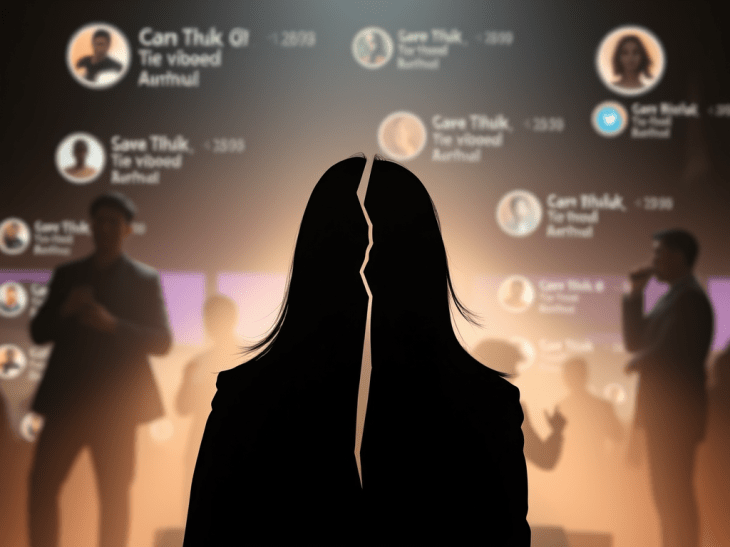
Cancel culture has become one of the most debated social phenomena in recent years. While it exists in many countries, South Korea’s version of cancel culture is particularly intense. It is swift, unforgiving, and often leaves little room for redemption. Unlike in the West, where public figures might slowly rebuild their careers, being “canceled” in Korea can mean a permanent exile from the industry. The speed at which someone’s reputation is destroyed, often overnight, is shocking. In a hyperconnected society like Korea, where online culture is deeply embedded in daily life, the consequences of cancel culture can be severe.
In South Korea, celebrities, politicians, and influencers live under an intense spotlight. The public holds them to incredibly high standards, not just in their professional lives but in their personal behavior as well. A single controversy—whether it’s an old social media post, a bullying accusation, or a past relationship—can lead to someone being erased from the entertainment industry or public sphere. The combination of a collectivist culture and a highly competitive society has created an environment where mistakes are not easily forgiven.
One of the main reasons cancel culture is so powerful in Korea is the influence of netizens. Online forums like Nate Pann, DC Inside, and TheQoo serve as breeding grounds for viral controversies. Once a scandal surfaces, these forums explode with discussions, often leading to overwhelming public pressure on companies and broadcasters to take action. Korean entertainment agencies, brands, and TV networks tend to react immediately to public outrage, often terminating contracts, removing actors from dramas, and canceling brand deals within hours of a controversy. The fear of losing public trust leads to quick decisions, sometimes before a proper investigation even takes place.
Bullying accusations have been a particularly common cause of cancellations in Korea. Unlike the West, where school bullying is often seen as a regrettable but somewhat normal part of adolescence, Korea treats school bullying with extreme seriousness. The country’s rigid hierarchy and competitive school system mean that bullying can have lifelong effects on victims. If a celebrity or public figure is accused of bullying, even if the incidents occurred decades ago, their career can be over in an instant. Several K-pop idols and actors have seen their reputations destroyed after former classmates accused them of school violence. In some cases, these allegations turned out to be false, but by the time the truth came out, the damage was already done.
Historical and political issues also play a significant role in cancel culture. South Korea has a deep history of conflict with Japan, and anything that is perceived as pro-Japanese can trigger public outrage. Celebrities who wear clothing with Japanese symbols or show appreciation for Japanese culture are often forced to apologize. Similarly, any remarks that seem disrespectful toward Korean history, particularly regarding the country’s past under Japanese colonial rule, can result in immediate backlash. In a nation where patriotism runs deep, even a perceived lack of awareness about historical pain can be enough to cancel someone’s career.
The intensity of cancel culture in Korea is further amplified by the nature of the entertainment industry. Korean celebrities are expected to maintain a flawless image, free from controversy. Unlike Hollywood, where scandals can sometimes boost a celebrity’s fame, in Korea, scandals almost always lead to career destruction. A dating scandal, for example, might be seen as trivial in the West but can be career-ending for a K-pop idol. Many fans expect idols to be “pure” and “available,” and when a relationship is revealed, the backlash can be overwhelming. Companies often respond by forcing idols to apologize or even break up with their partners to appease the public.
Another factor that makes Korean cancel culture so powerful is the speed at which information spreads. With platforms like Twitter, Instagram, and online communities playing a central role in Korean social life, public opinion shifts rapidly. A rumor can spread in minutes, and once it gains traction, the pressure on the accused person to issue an apology becomes enormous. Unlike in the past, where news was controlled by traditional media, now anyone can post an accusation online, and if it goes viral, it can ruin someone’s career overnight.
The issue with Korea’s cancel culture is that it often lacks nuance. Instead of allowing for discussion or growth, it operates on a black-and-white mentality: someone is either good or bad, innocent or guilty. There is little room for context, apology, or second chances. Even those who acknowledge their mistakes and express remorse rarely get an opportunity for redemption. This rigid approach has led to cases where people were unfairly canceled based on false accusations. Unfortunately, by the time the truth is revealed, their careers are already beyond repair.
However, some argue that cancel culture has positive aspects. It holds powerful figures accountable and forces people in the public eye to be more responsible for their actions. In a society where reputation is everything, cancel culture ensures that harmful behavior does not go unpunished. For victims of bullying, sexual harassment, or workplace abuse, seeing a perpetrator lose their career can bring a sense of justice. It can also serve as a warning to others in power, discouraging harmful behavior before it happens.
Yet, the biggest problem remains the lack of due process. In many cases, people are canceled based on unverified claims. Public outrage often comes before a proper investigation, and once someone is labeled as problematic, their chances of clearing their name are slim. Some companies and agencies have begun pushing back against false accusations, taking legal action against defamation. However, this does not change the fact that cancel culture often moves faster than the truth.
In recent years, some canceled figures have attempted comebacks, but the success rate is low. Unlike in the West, where celebrities like Robert Downey Jr. or Kevin Hart managed to revive their careers after controversy, Korea’s public rarely forgets. Even if a celebrity returns after years of laying low, a single comment from a netizen can reignite old scandals, preventing a true comeback.
Korea’s cancel culture is a double-edged sword. While it helps maintain high moral standards in the entertainment industry and ensures accountability, it also fosters a culture of fear. Many public figures live in constant anxiety, knowing that even a small mistake or a past controversy could end their careers. The question remains: should society continue to demand perfection from celebrities, or should there be room for growth, forgiveness, and redemption?
The debate over cancel culture in Korea is far from over. As social media continues to evolve and public scrutiny remains intense, the cycle of canceling and apologizing is unlikely to end anytime soon. The challenge is finding a balance between holding people accountable and allowing space for genuine change. Until then, the fear of being canceled will continue to shape the behavior of Korea’s biggest stars, influencing how they speak, act, and even think.