Back in February 2015, we set out for a short trip to the Netherlands. The plan was simple: start in The Hague, then move on to Rotterdam, and finish in Dordrecht. It wasn’t our first time in the country, but each visit brings something fresh. The Netherlands is only a three-hour drive from where we live, so it often becomes an easy decision when we feel the urge to just get up and go somewhere new—or familiar.
Our base for that trip was The Hague. It’s a calm but cultured city, and sleeping there gave us the chance to start the trip in a relaxed way. One of the first things we did after arriving was look for a place to eat, and we were thrilled to find a Filipino restaurant right in the city. As soon as we walked in, the smell reminded us of home. The food was exactly what we needed—warm, flavorful, and familiar. There’s something comforting about tasting dishes from your own culture in another country. That lunch really set the tone for the rest of our stay. We were full, happy, and ready to explore.
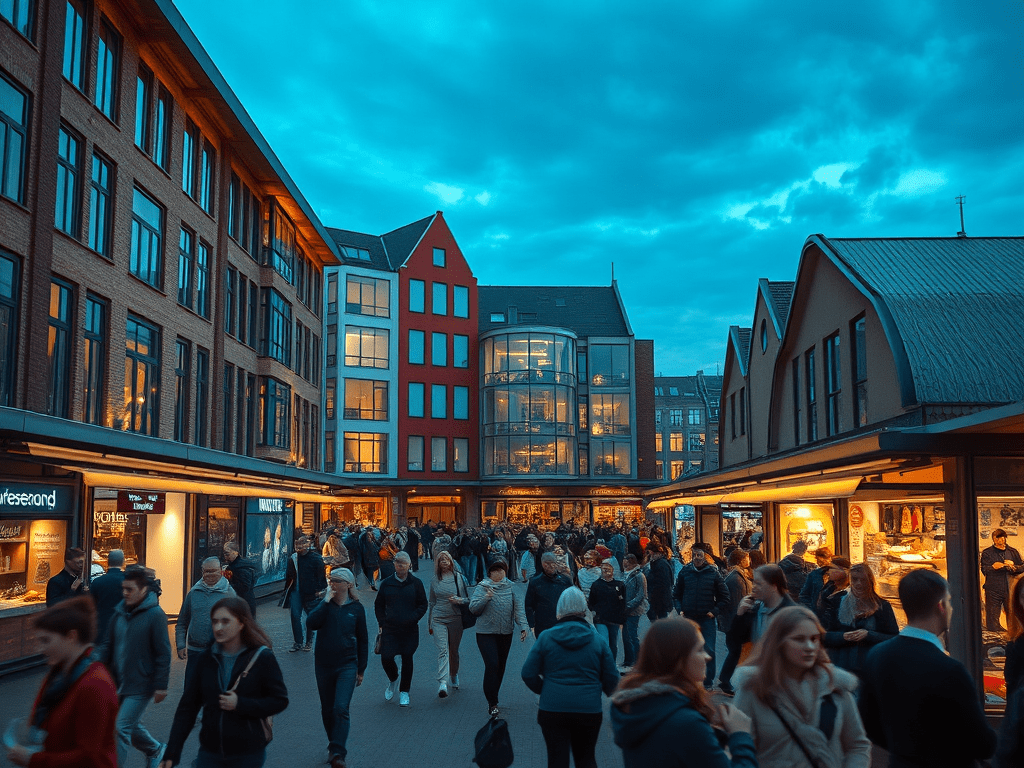
The Hague’s train station caught our eye as well. It was modern and clean, with a bright layout and good flow. There’s always something satisfying about seeing an organized public space that doesn’t feel chaotic. We wandered around the city, checking out different tourist spots and letting ourselves get a little lost. We ended up on one of the main shopping streets—not to shop necessarily, but just to feel the energy. Locals and tourists filled the area. Everyone had somewhere to be, but it never felt rushed. That’s something we liked about the city: it moved, but it didn’t push.
After enjoying our time in The Hague, we drove to Rotterdam. This was our first time visiting the city, and it made an impression right away. The scale of everything was bigger. The buildings, the roads, even the vibe—it all felt more spread out and modern. Unlike other Dutch cities that hold tight to a historical feel, Rotterdam has leaned into the future. It’s bold in its architecture and youthful in its energy.
One of the highlights for us was the huge market hall. It was crowded, but in a good way—busy with life. Inside, stalls sold everything from Dutch cheeses and fresh seafood to street food from around the world. It smelled amazing, and the ceiling artwork alone was enough reason to look up and stay there a while. We walked slowly through it, letting our eyes—and noses—guide us. Even if you don’t plan to buy anything, it’s worth the visit just to take it all in.
Another standout was the cube houses. Photos don’t do them justice. They look like something from a sci-fi film—tilted and playful, yet somehow balanced and real. Standing there, it was impossible not to admire the creativity behind the design. It’s one thing to see buildings that impress because they’re old; it’s another to be wowed by something that dares to be so different.
We spent a good amount of time near the bridge—the iconic Erasmus Bridge, also known as the Swan. It stretches elegantly across the river, and we crossed it just to explore what was on the other side. The air was cold, but the walk was peaceful. There’s a rhythm to cities like this: moments of silence even in the presence of so many people and structures. Across the bridge, we saw the tall building that appeared in a Jackie Chan movie. That little detail added a fun twist to the walk. It’s always exciting to spot a location you’ve seen in a film—suddenly the imaginary feels a little more real.
We decided to spend the night in Rotterdam as well. It made sense. The city had more to offer, and we didn’t want to rush it.
From Rotterdam, we continued to Dordrecht. The reason for this leg of the trip was a personal one. Years back, while working as a copy editor, I’d come across the name Springer Verlag Dordrecht in so many of the articles I edited. At the time, I didn’t know much about it beyond its reputation in academic publishing. I wasn’t even sure where exactly it was. But here we were, standing in front of the actual building, and suddenly, something that once felt abstract became tangible. It’s funny how small professional details can stay with you, and how satisfying it is to see them materialize into something physical. For me, it closed a loop.
Dordrecht itself was a quiet and pretty town. It had a more relaxed pace compared to Rotterdam, and we liked that contrast. The streets were charming, lined with historic buildings and calm canals. There wasn’t the same rush of activity, but there didn’t need to be. It was a place to wind down and reflect. We walked slowly, just enjoying the surroundings. It felt like the right way to end the trip.
That short journey across three cities gave us different shades of the Netherlands. The Hague had diplomacy and elegance, Rotterdam showed its modern pulse, and Dordrecht brought a personal connection full circle. Each stop was distinct, yet together they made up a whole experience. It wasn’t about rushing through a checklist of attractions. It was about walking, tasting, noticing, and letting each place shape our memories in its own way.
We didn’t plan everything out in advance. A lot of it was spontaneous—choosing a restaurant just because we felt like it, taking a different turn because something looked interesting, staying an extra night because it felt right. That kind of flexibility made the trip more enjoyable. There’s a freedom in not having every minute accounted for. You get to breathe a little more.
The Netherlands, being so close to home, has always felt accessible. But every time we go, it reminds us that proximity doesn’t make a place any less exciting. What matters is what you see, how you see it, and who you share it with. The ease of getting there allows us to treat trips like these almost like extended walks through familiar yet always surprising neighborhoods.
It’s hard to pick a favorite from this trip. The warmth of the Filipino restaurant in The Hague, the stunning visuals of Rotterdam’s architecture, the quiet meaning behind a name in Dordrecht—they all stood out in different ways. What made it memorable wasn’t just the places themselves, but the way they linked together. Each one carried a different kind of story, and being part of those stories, even for a short time, gave the journey its shape.
Travel doesn’t have to be far or extravagant to be meaningful. Sometimes all it takes is a weekend, a road trip, and a little curiosity. Looking back, that February trip wasn’t a grand escape, but it was exactly the kind of adventure we needed. And now, years later, it remains one of those memories we go back to often—quietly rich, gently joyful, and always worth remembering.